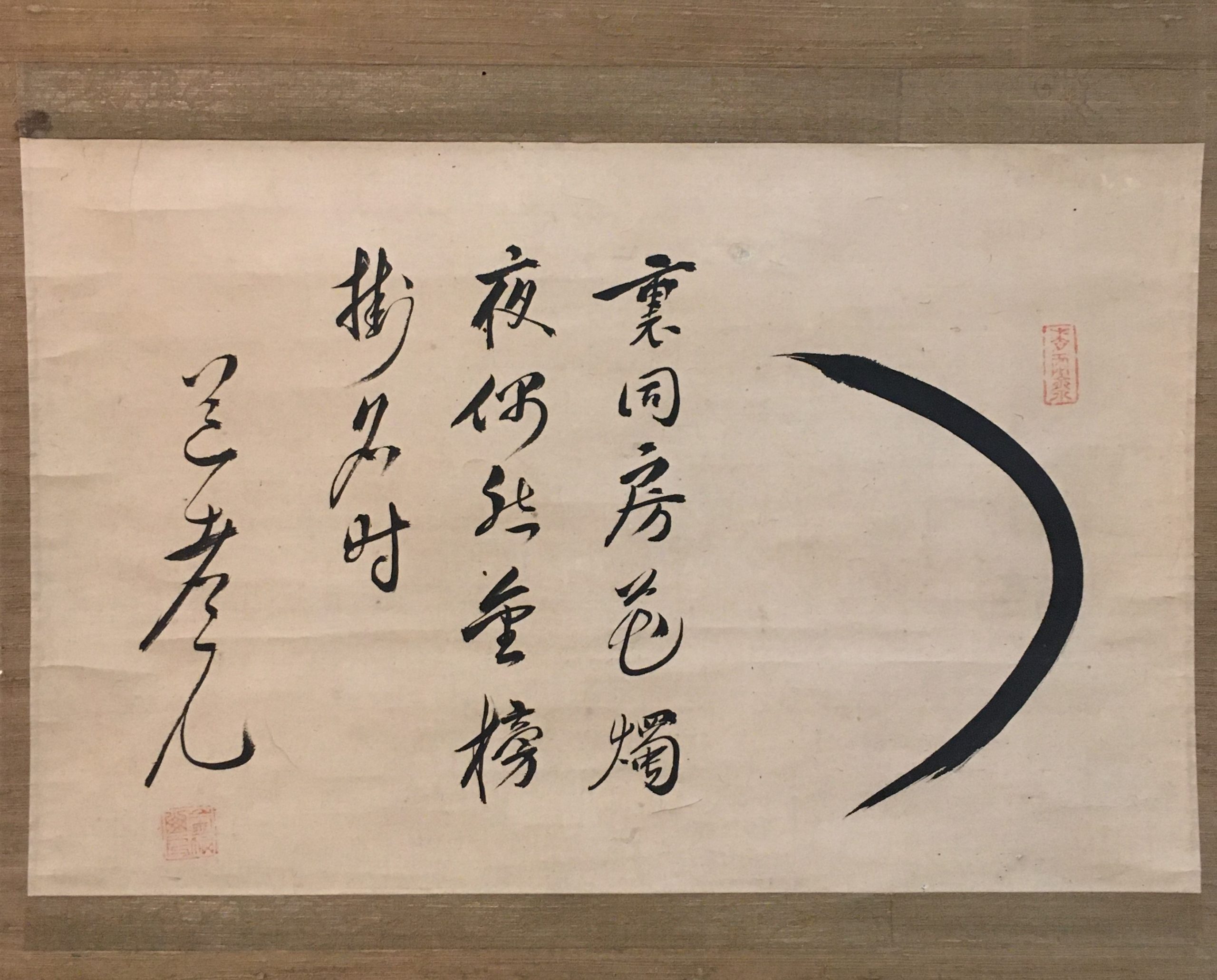
Ingen and Obaku Zen Lineage Ancestors
Yinyuan Longqi (Jp. Ingen Ryūki, 1592-1673) was already a revered abbot in China when, in 1654, he accepted an invitation from the overseas Chinese community in Nagasaki to bring his teachings to Japan. He subsequently founded the Ōbaku school of Zen, whose headquarters is at Manpukuji in Uji, near Kyoto. In Japan, Ingen is celebrated for introducing Chinese Buddhist monastic culture of the late Ming dynasty, and for inspiring a mushrooming of the visual arts, notably calligraphy, painting, and sculpture, and the arts of seal-carving, music, temple cuisine, and a tea ceremony using steeped green leaf tea (sencha). Less well known is the full extent of his impact on the renewal, growth, and transformation of Japanese Zen Buddhism. Portrait paintings of Ingen by professional painters, together with works of calligraphy he brushed, convey his strength and character.
Just like other Zen abbots in China and Japan, Ingen venerated his spiritual ancestors, beginning with the historical Buddha known as Śākyamuni. Among these ancestors is the legendary Indian patriarch Bodhidharma, who is thought to have inherited the dharma, the mind or awakening of the Buddha, in a process known as dharma transmission. Bodhidharma in turn transmitted the dharma to China, where he is renowned as the First Patriarch of Zen (Ch. Chan).
Portraits of Bodhidharma are a favorite subject of Ōbaku paintings and he also appears in textual form in calligraphic works of art, as do other Buddhist deities such as Śākyamuni Buddha. Such works are treated equally as icons when displayed in commemorative ceremonies honoring their subjects.
Bodhidharma often appears as a single figure seated as though in meditation and draped in a capacious bright red robe evoking his Indian heritage. He is also the central figure in triptychs flanked by the ninth-century Chinese Zen masters Deshan and Linji. Ingen is connected to these patriarchs as he claimed spiritual descent from Śākyamuni and Bodhidharma via Linji. Ingen and his dharma masters Miyun (Jp. Mitsuun) and Feiyin (Jp. Hiin) played seminal roles in reviving monastic practices at a time of existential challenges and political turmoil in late Ming China.
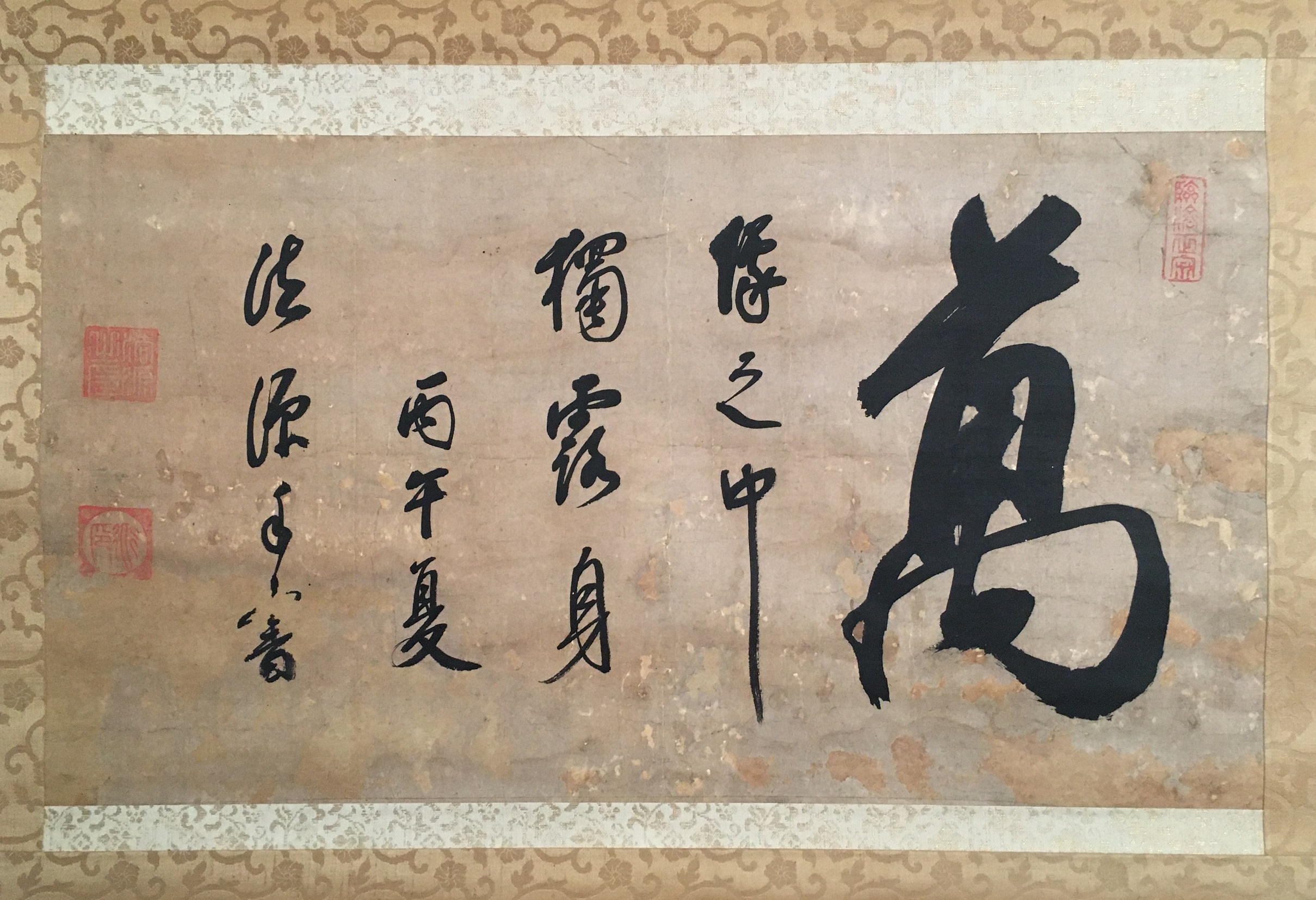
UNIVERSE by Hōgen Dōin

HANDSCROLL WITH SIX POEMS PRAISING PLANTS by Duli Xingyi (Jp. Dokuryū Shōeki)
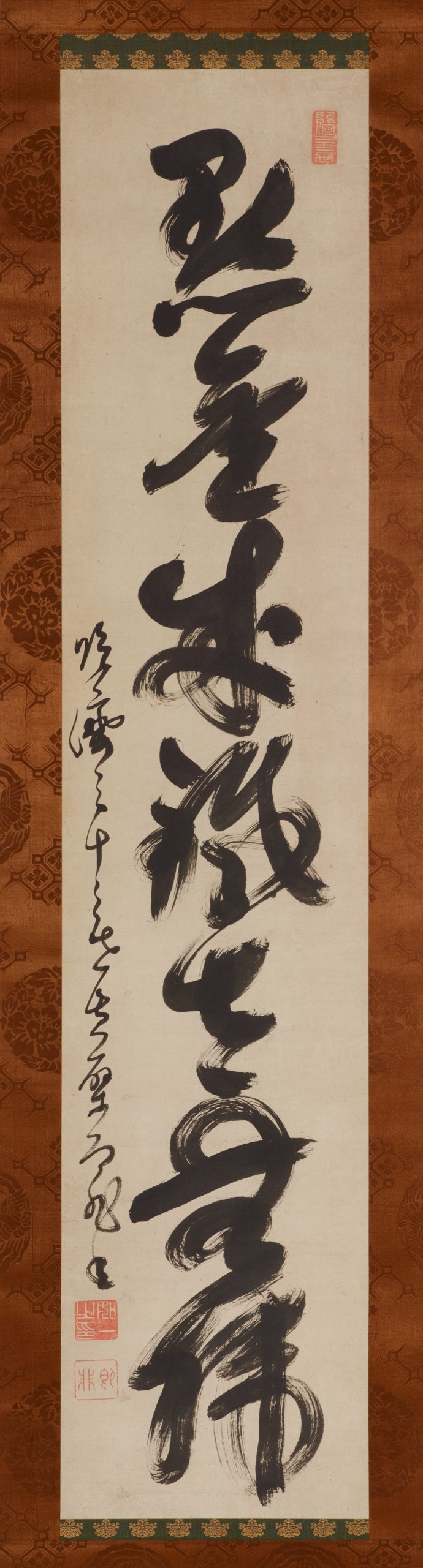
TURNING GOLD INTO IRON IS NOT BUDDHA(HOOD) by Jifei Ruyi (Jp. Sokuhi Nyoitsu)
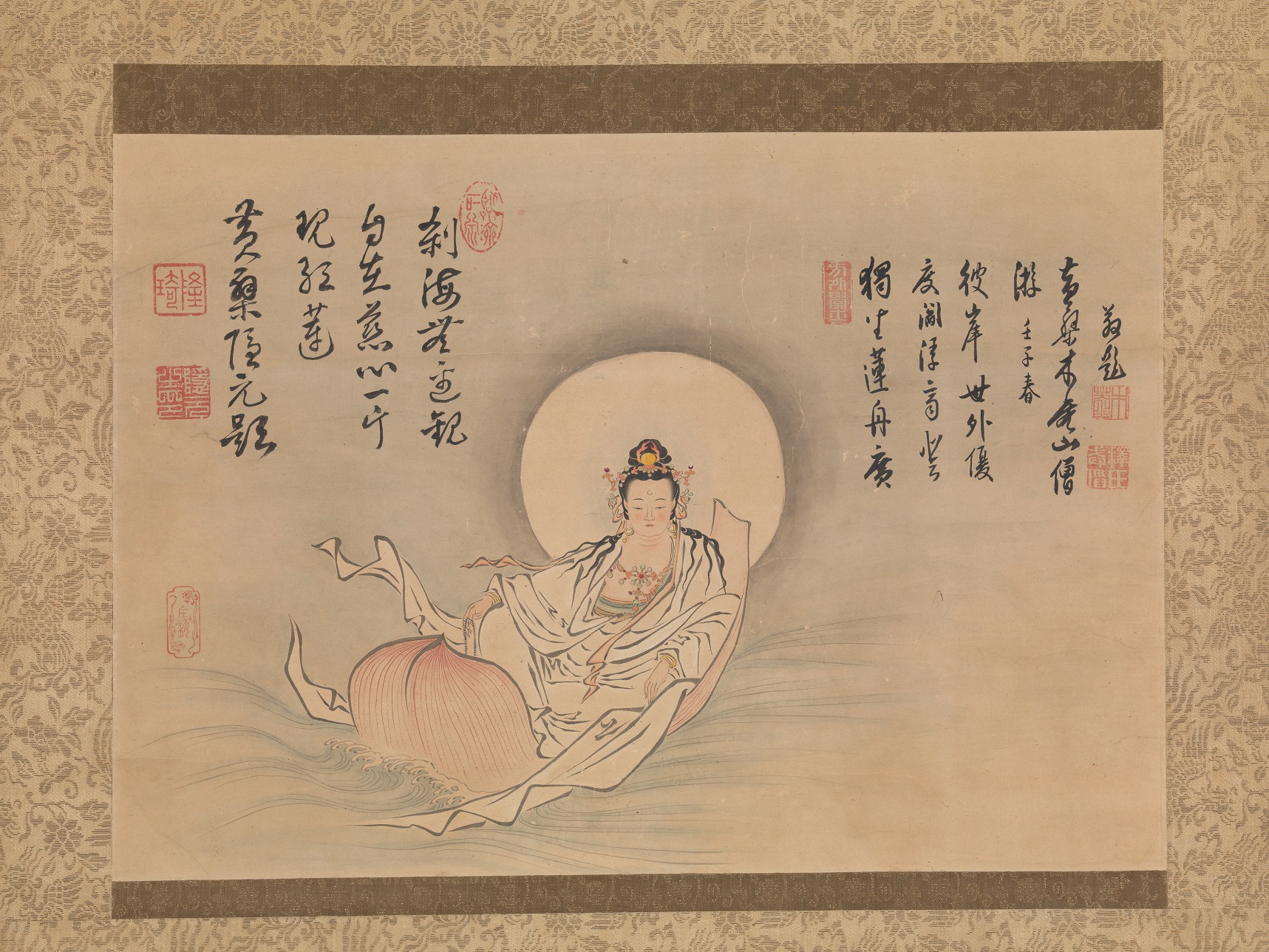
KANNON ON A LOTUS PETAL by Shōzan Gen’yō
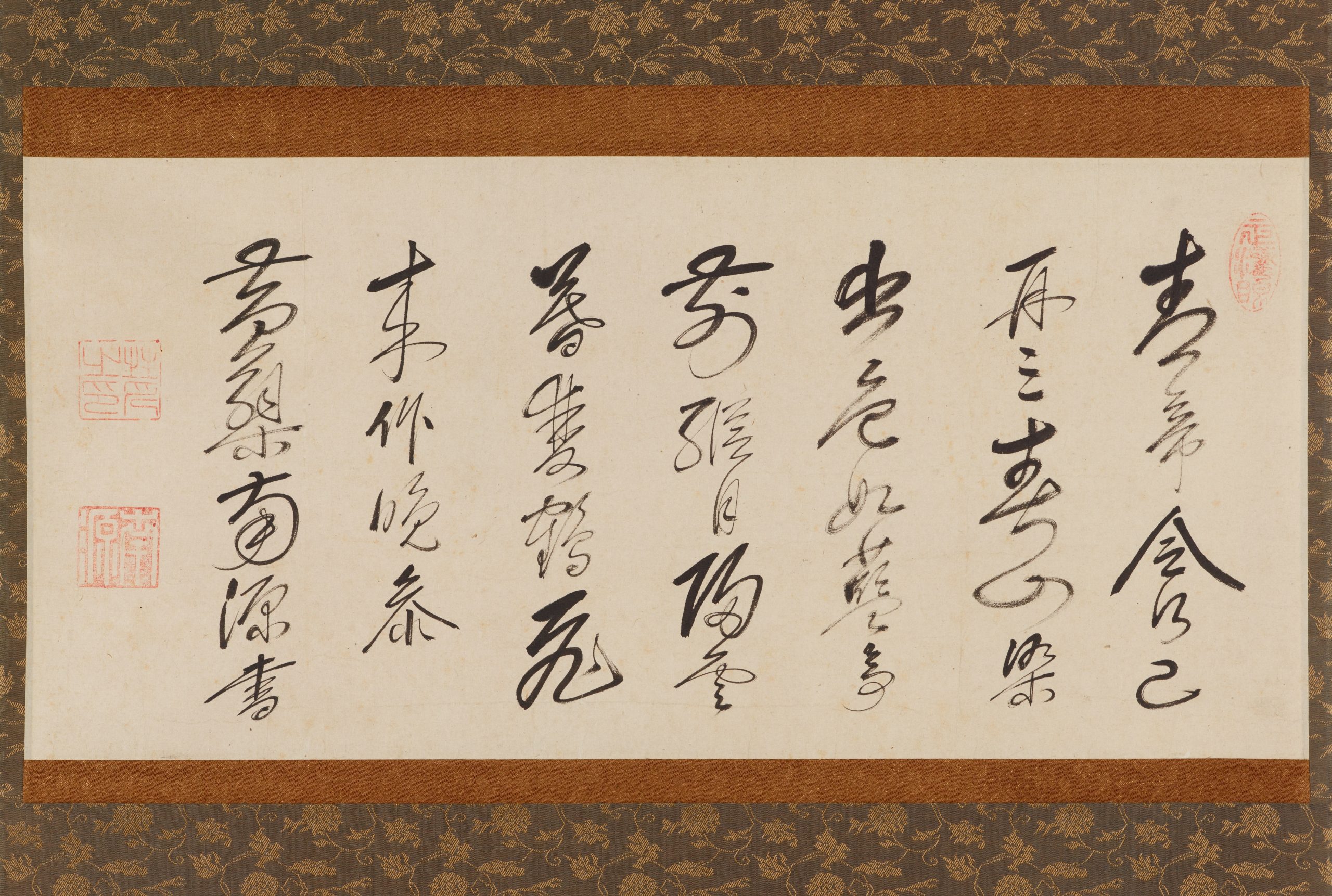
SPRING MOUNTAINS by Nanyuan Xingpai (Jp. Nangen Shōha)
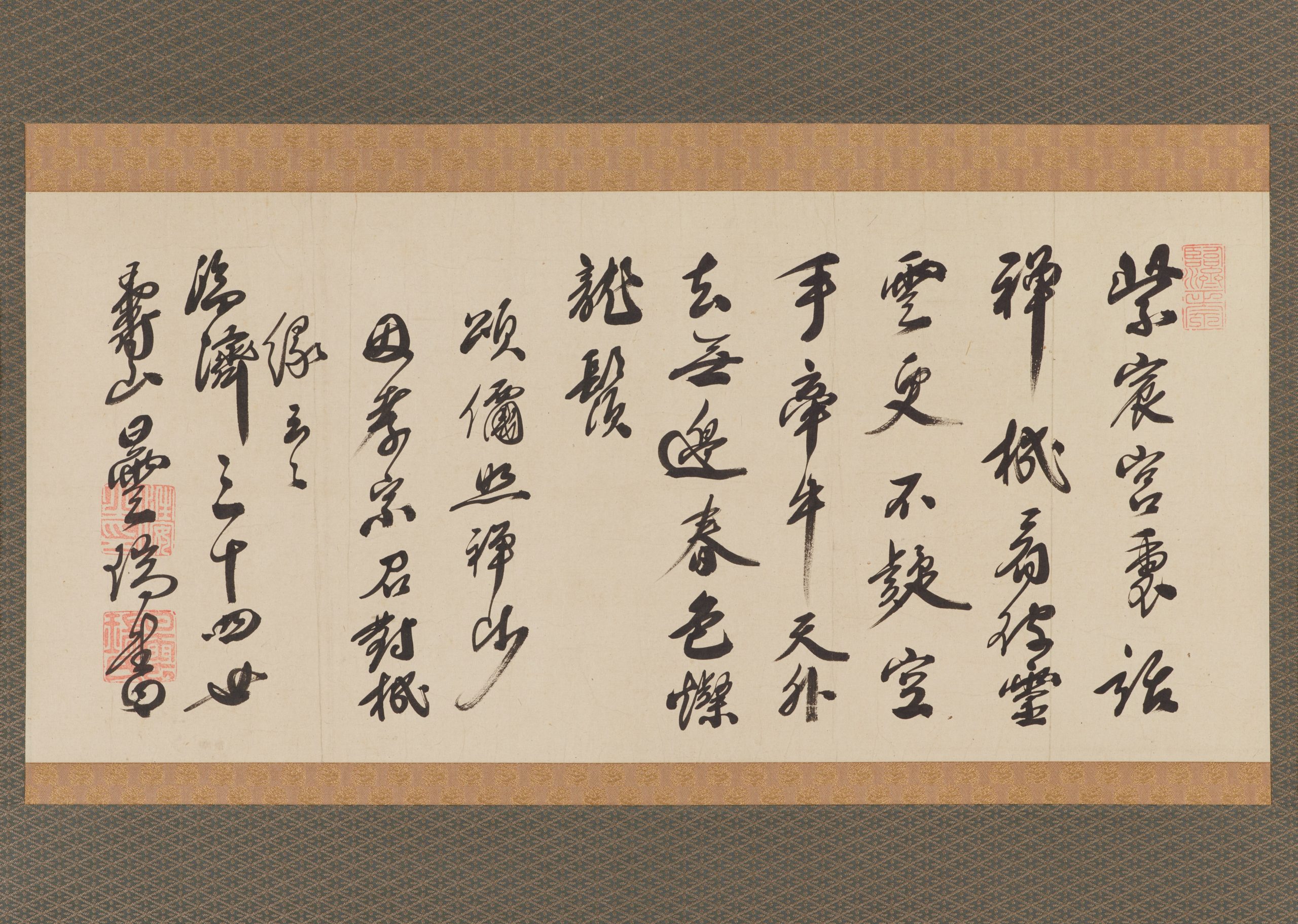
SPRING COLORS by Quanta Xingan (Jp. Sengai Shōan)
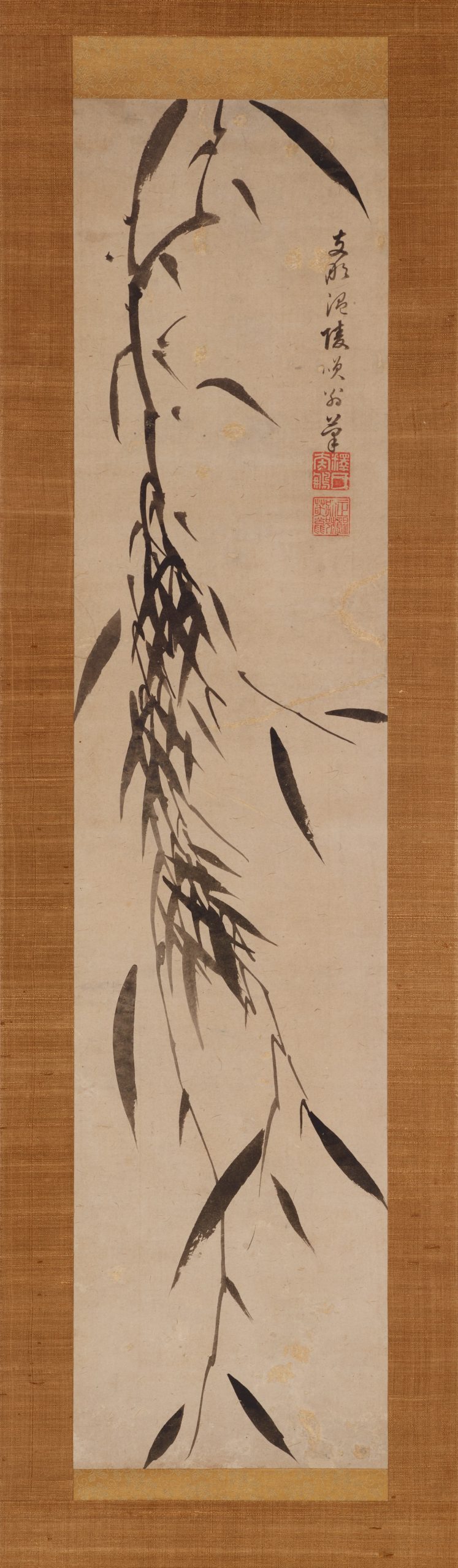
BAMBOO by Dapeng Zhengkun (Jp. Taihō Shōkon)
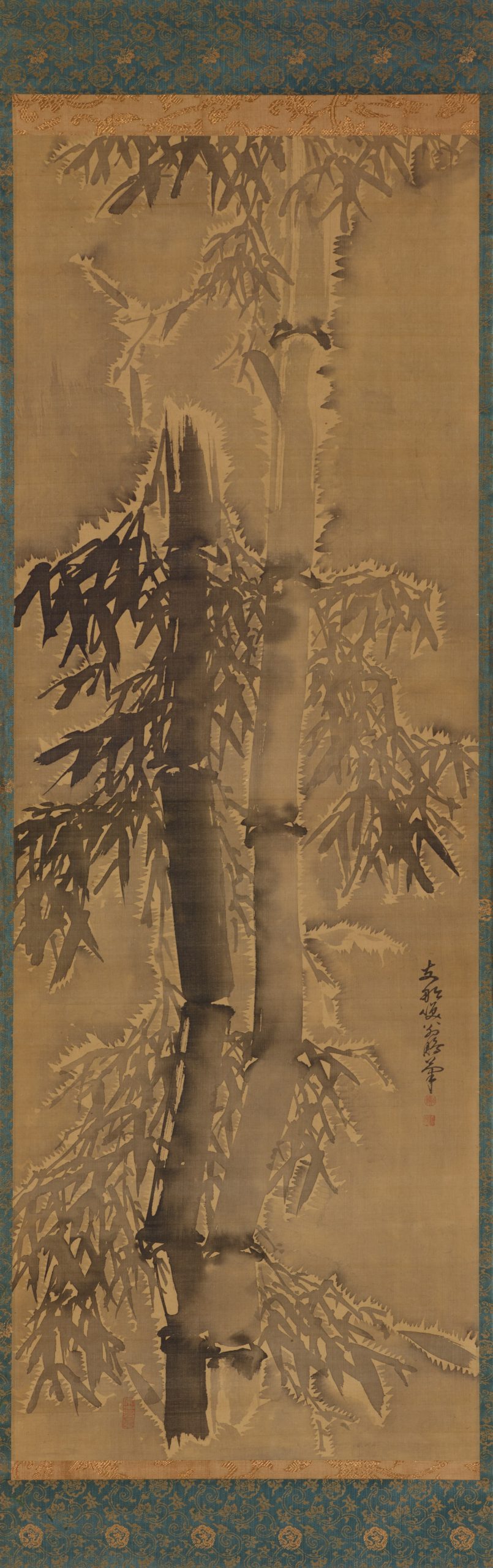
BAMBOO IN SNOW by Dapeng Zhengkun (Jp. Taihō Shōkon)
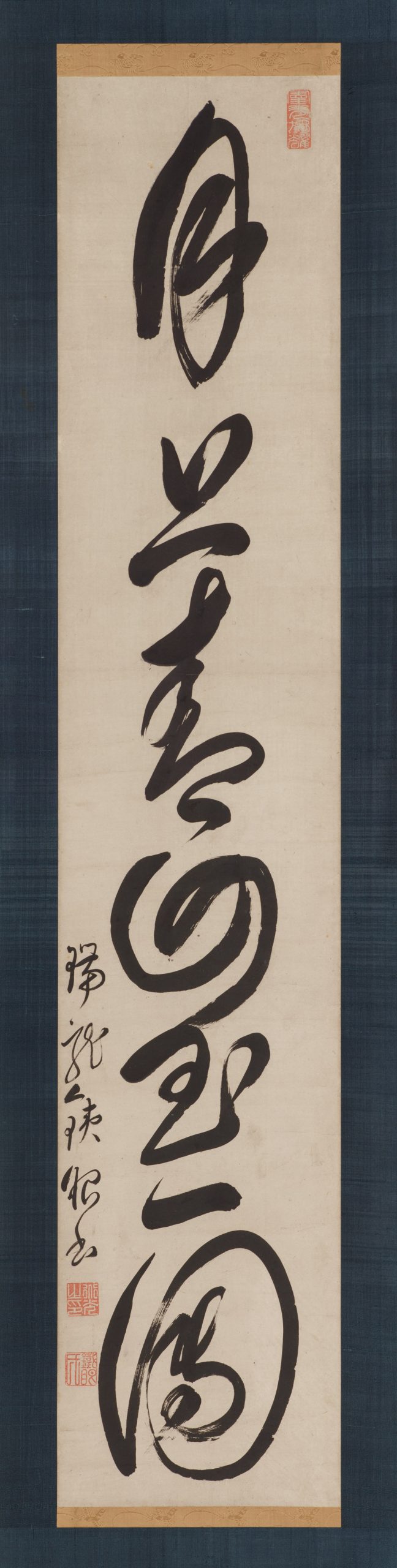
THE MOON OVER THE GREEN MOUNTAINS, A SINGLE JADE SPHERE by Tetsugen Dōkō
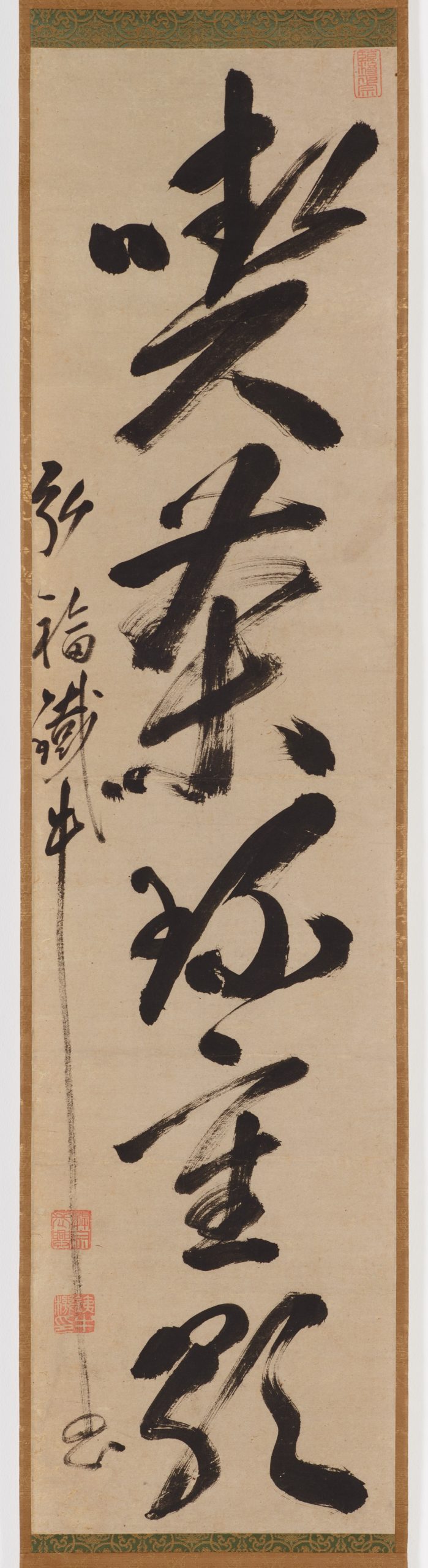
HAVE A CUP OF TEA AND TAKE A REST by Tetsugyū Dōki
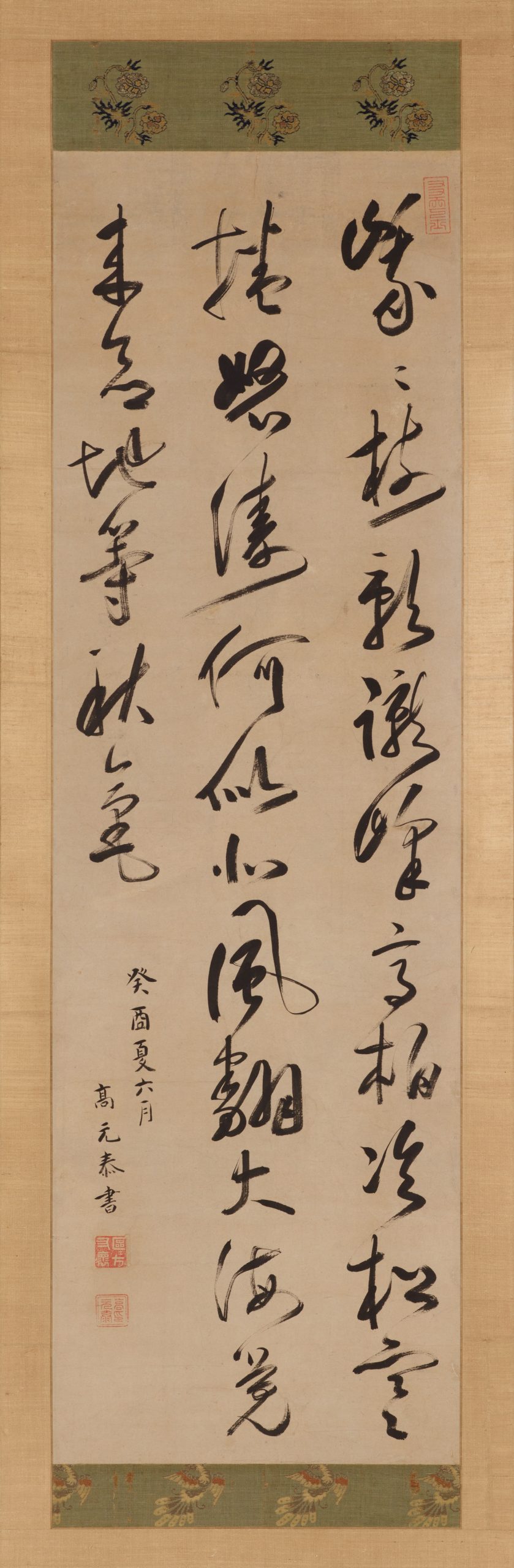
CALLIGRAPHY OF A FOUR-LINE SEVEN-CHARACTER POEM by Fukami Gentai (Kō Ten’i)

BODHIDHARMA by Yiran Xingrong (Jp. Itsunen Shōyū)
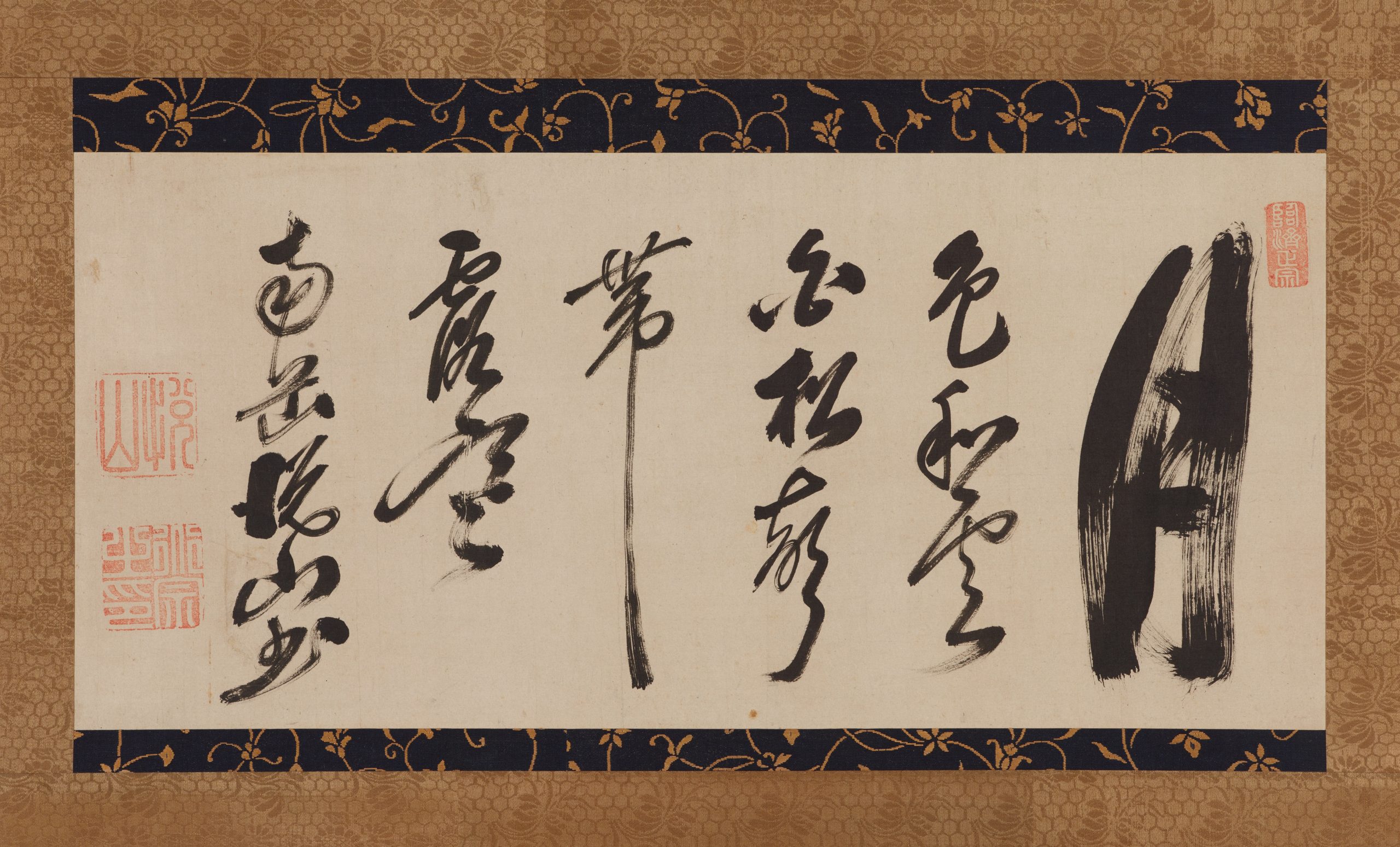
THE COLOR OF THE MOON by Yueshan Daozong (Jp. Essan or Etsuzan Dōshū)
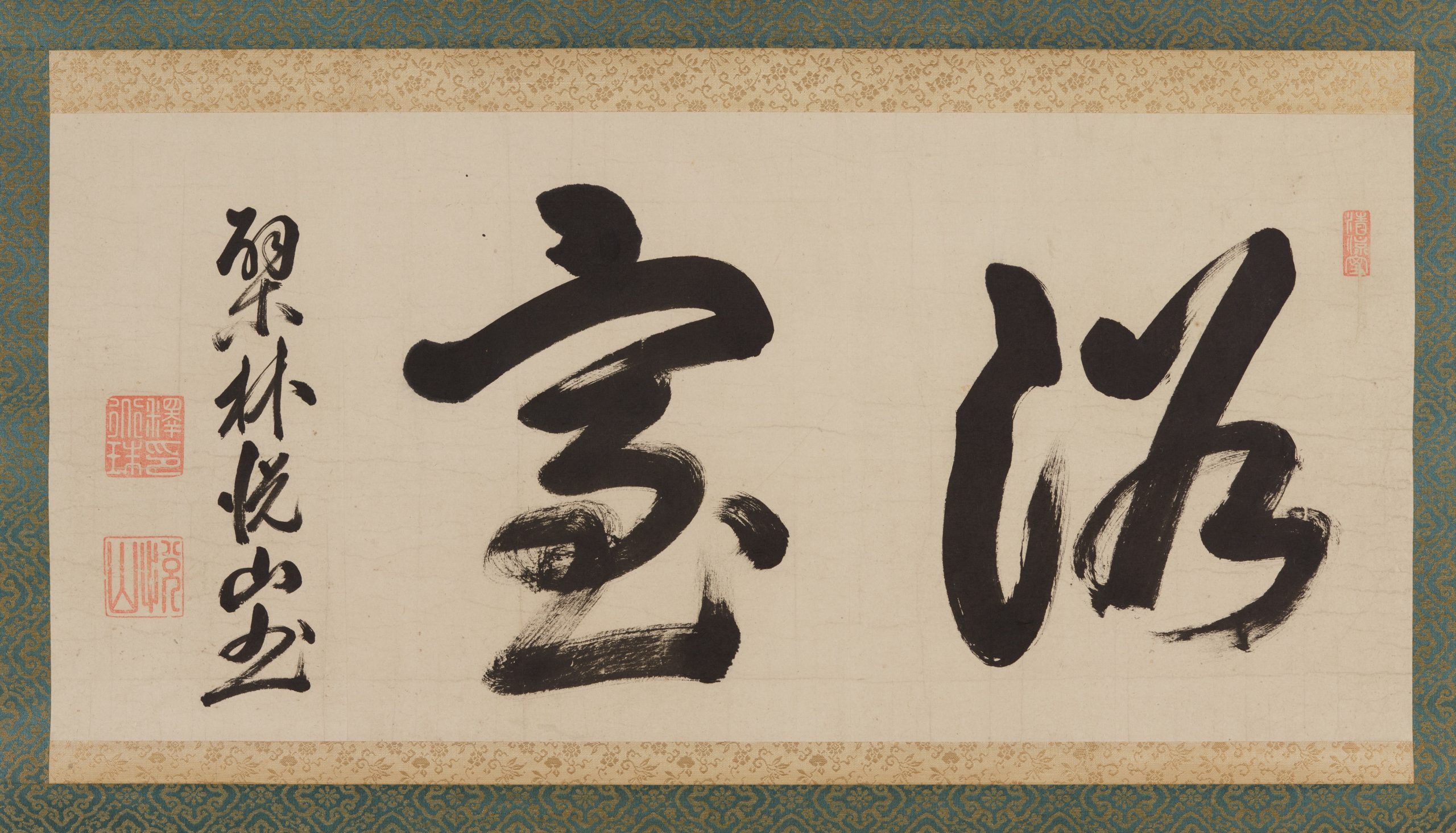
BATHHOUSE by Yueshan Daozong (Jp. Essan or Etsuzan Dōshū)
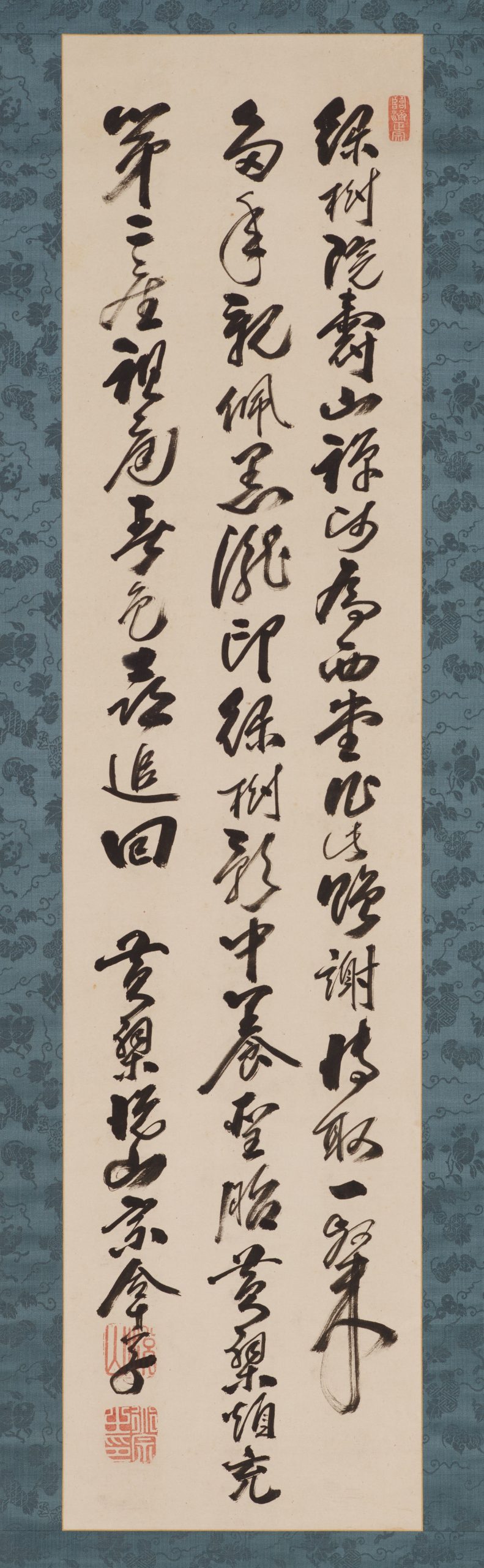
A SEVEN-CHARACTER QUATRAIN by Yueshan Daozong (Jp. Essan or Etsuzan Dōshū)
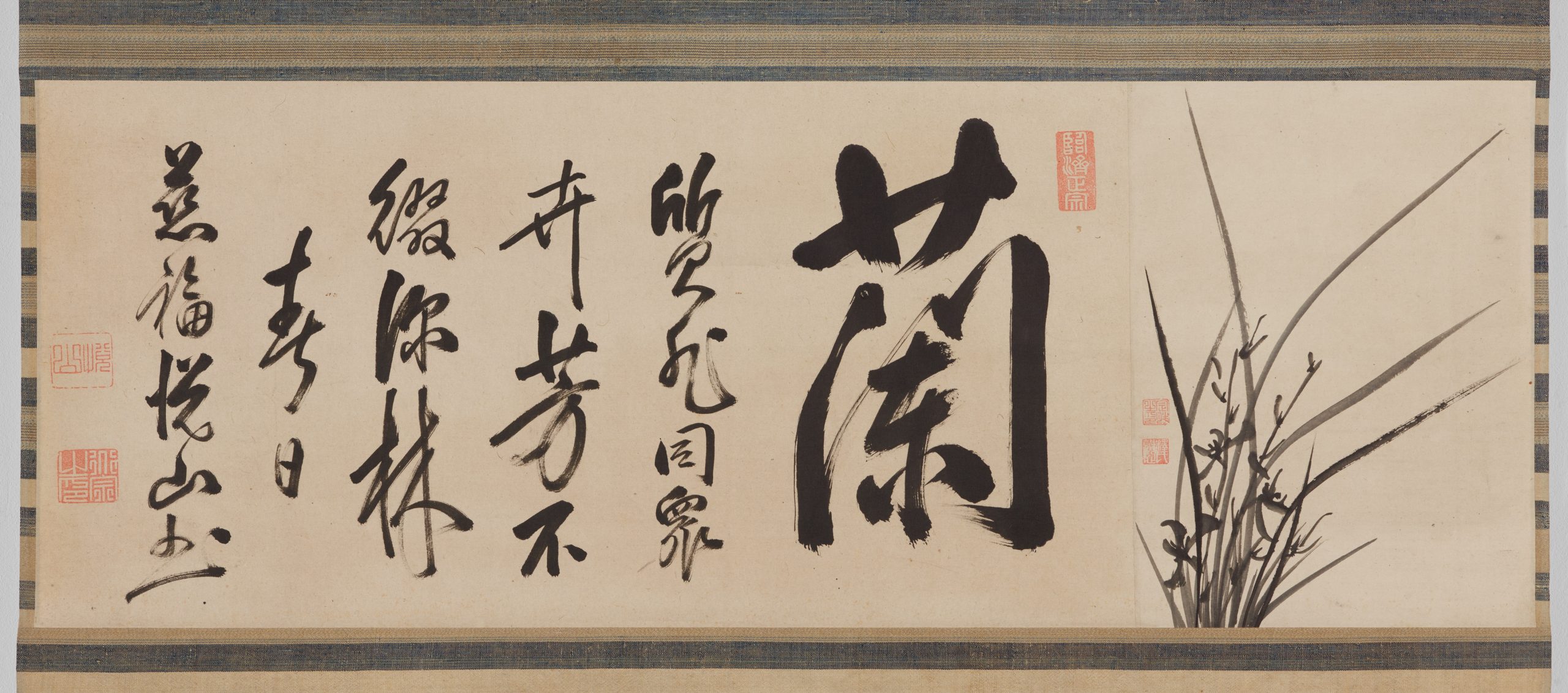
ORCHID by Tesshin Dōhan
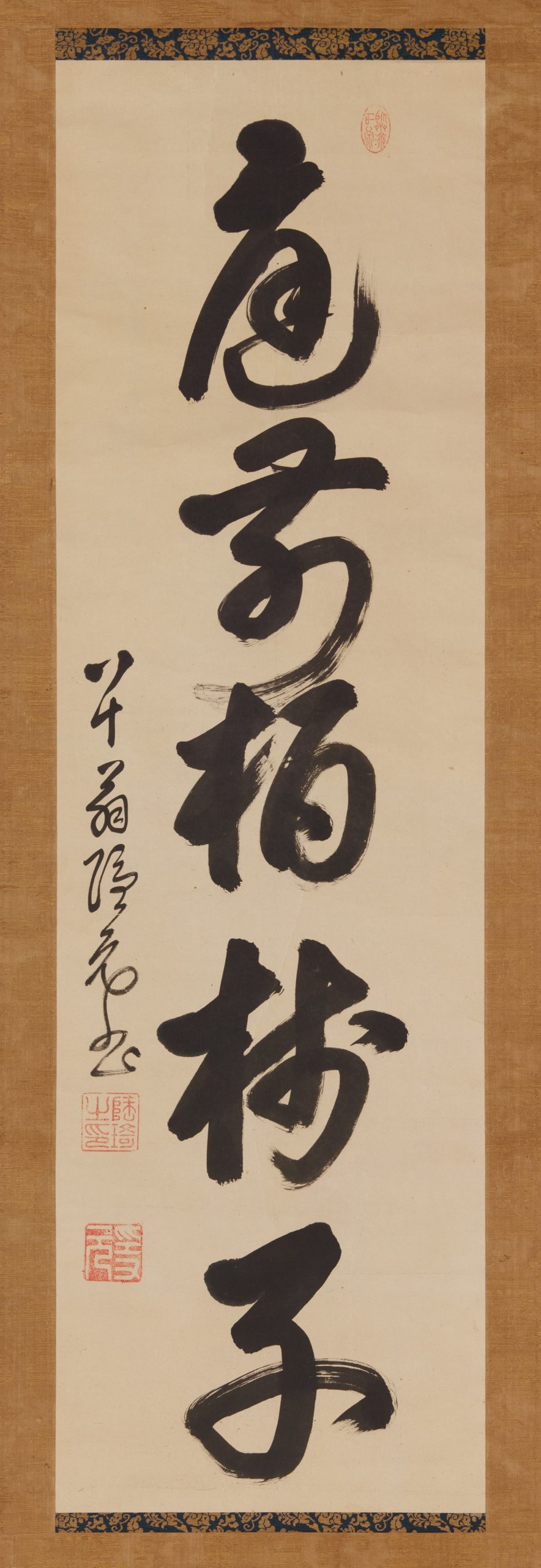
THE CYPRESS TREE IN THE COURTYARD by Yinyuan Longqi (Jp. Ingen Ryūki)
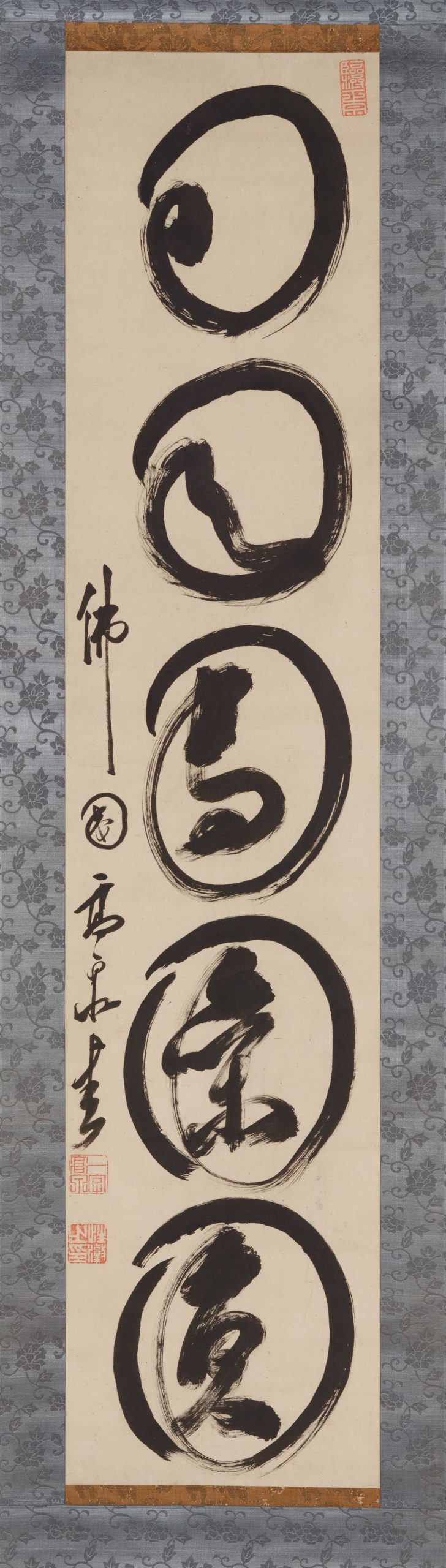
EVERY DAY AND EVERY MONTH A JOYFUL FAMILY LIFE by Gaoquan Xingdun (Jp. Kōsen Shōton)
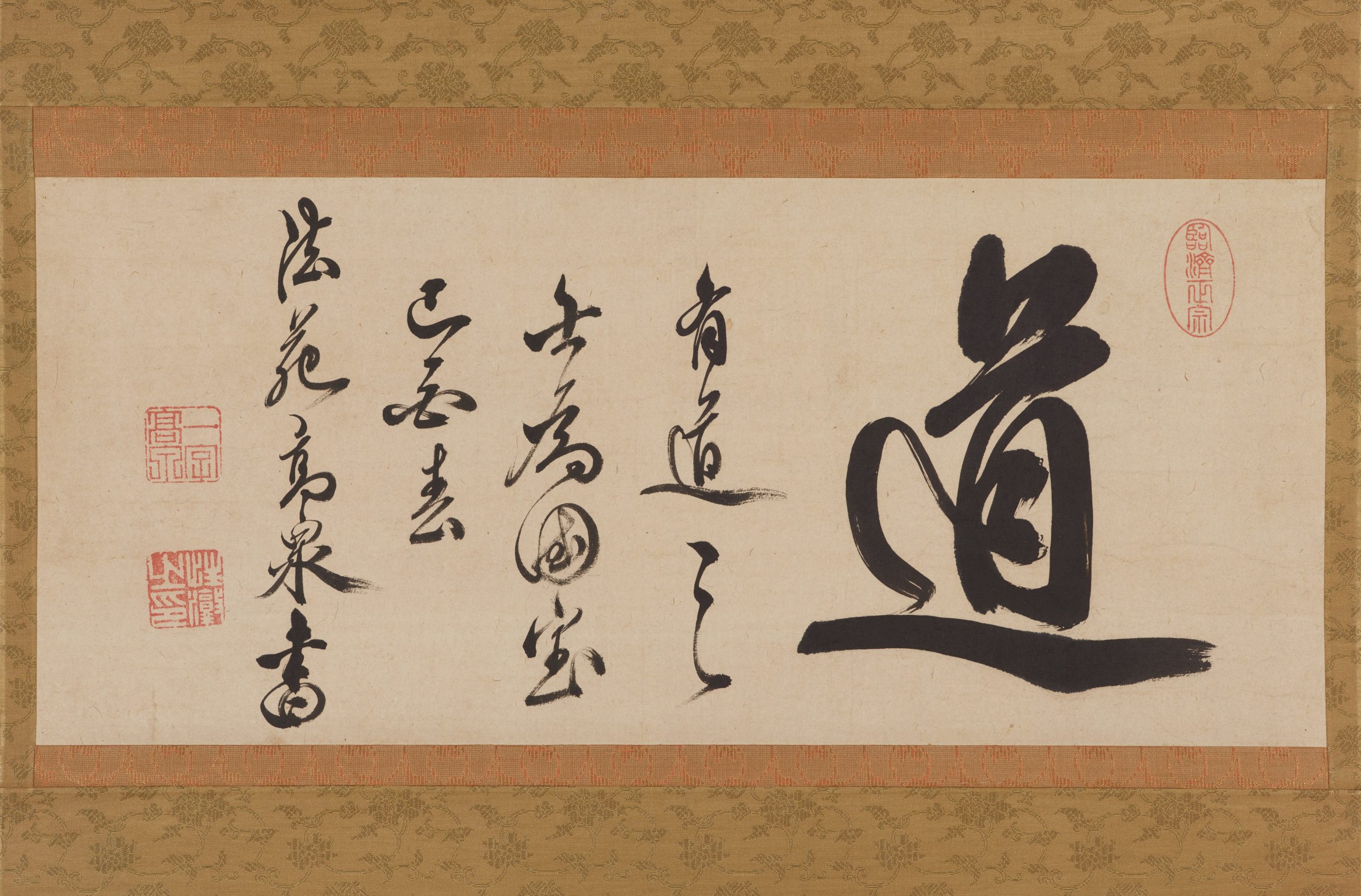
THE WAY by Gaoquan Xingdun (Jp. Kōsen Shōton)
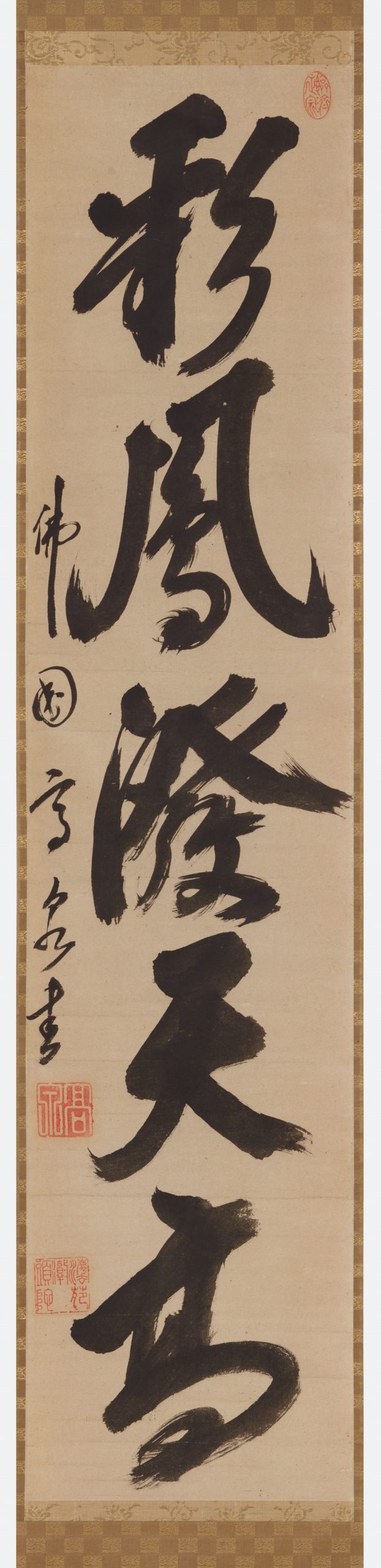
THE PHOENIX SPLASHES COLOR INTO THE HIGH HEAVENS by Gaoquan Xingdun (Jp. Kōsen Shōton)
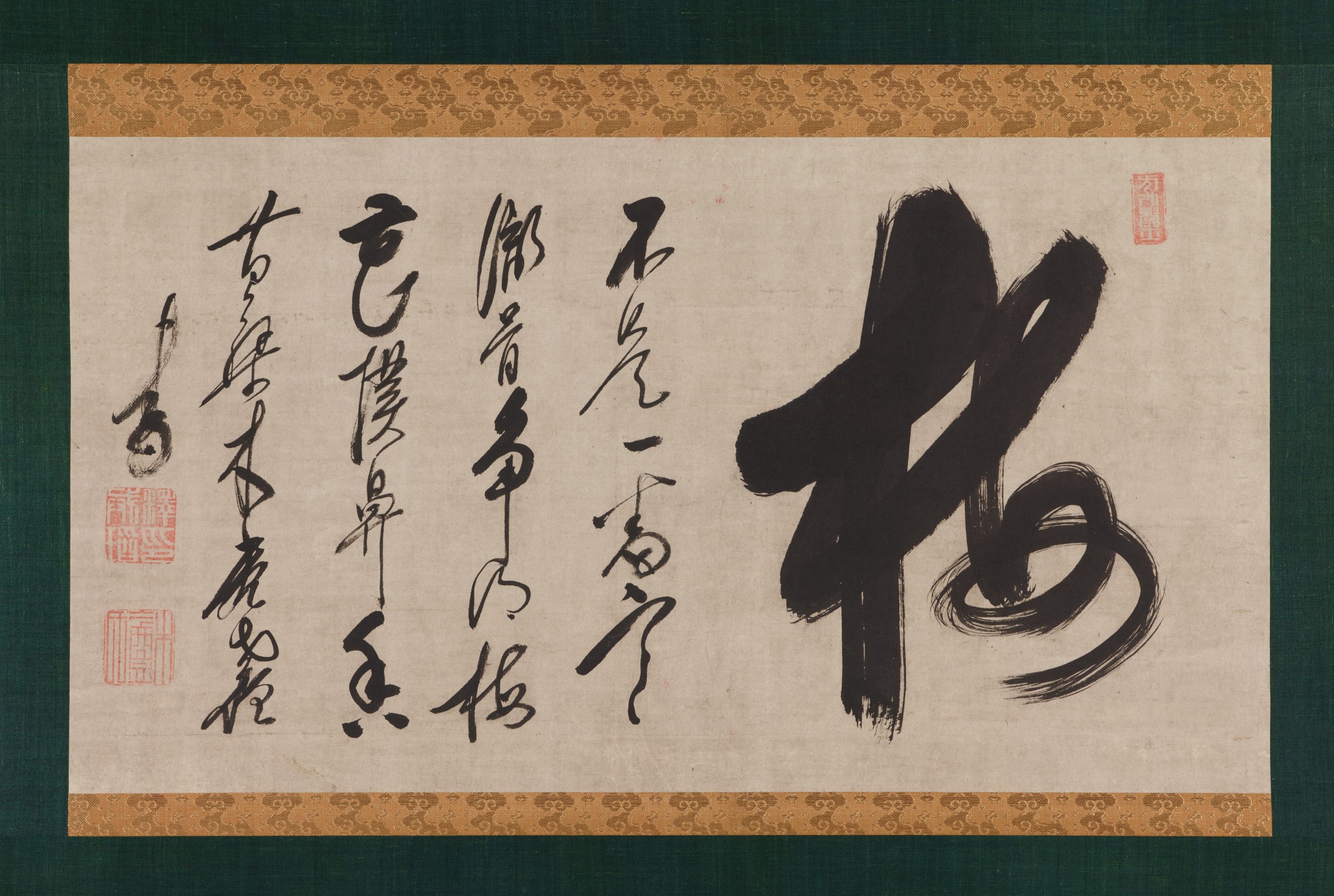
PLUM by Muan Xingtao (Jp. Mokuan Shōtō)
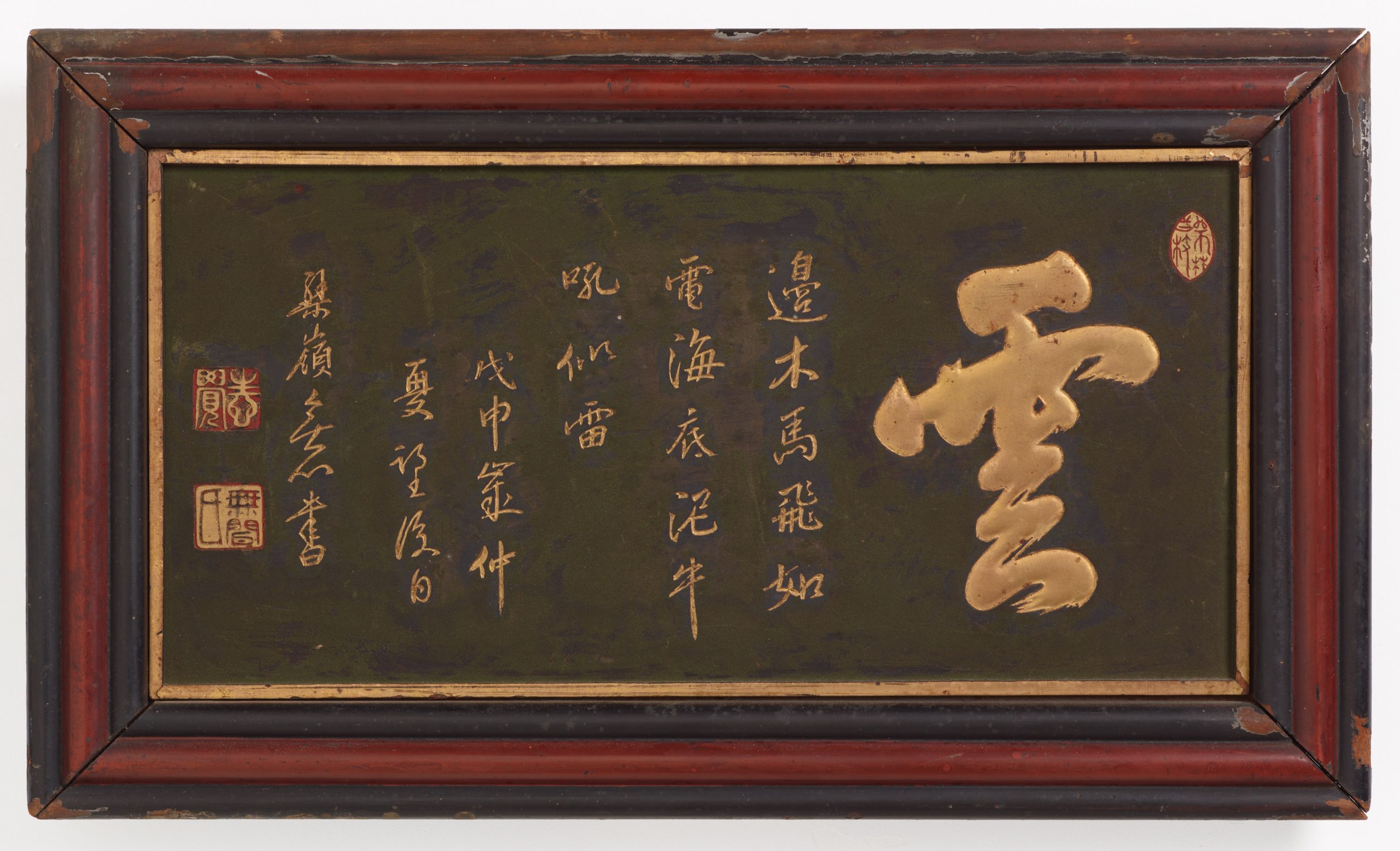
CLOUDS by Wuxin Xingjue (Jp. Mushin Shōkaku)

NOTHING by Daoben (Jp. Dōhon Jakuden)
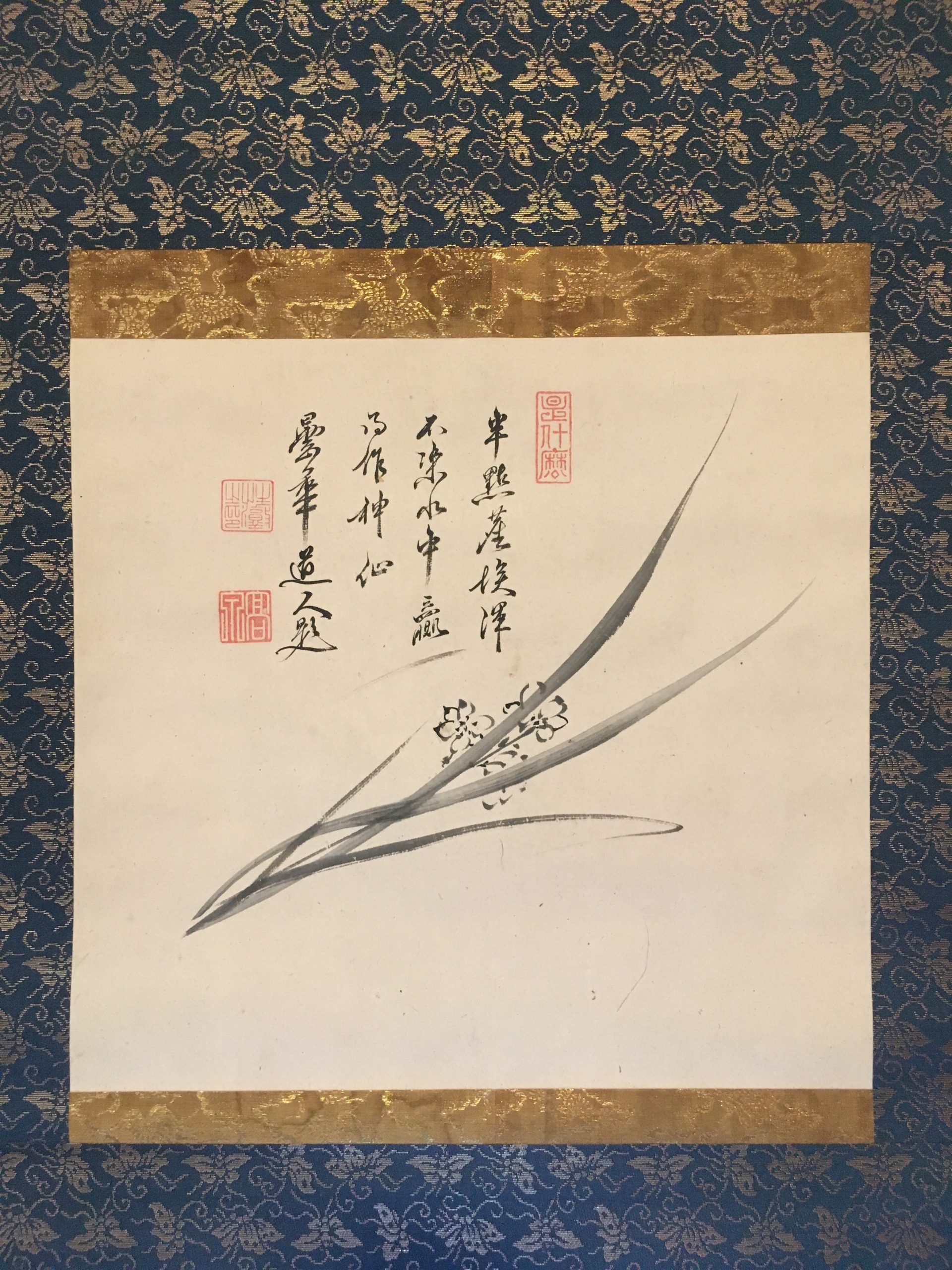
NARCISSUS by Gaoquan Xingdun (Jp. Kōsen Shōton)