Artists and Poets
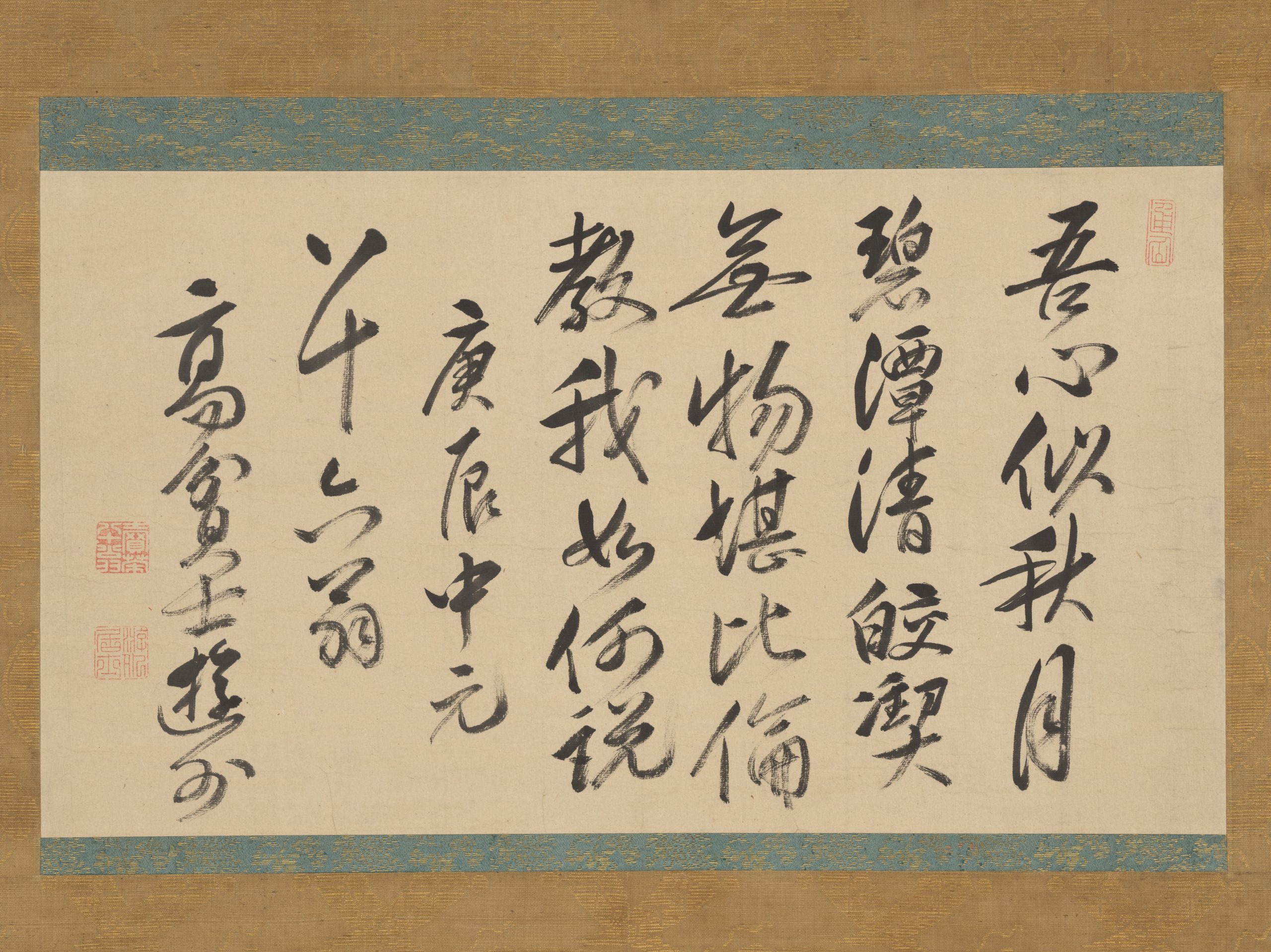
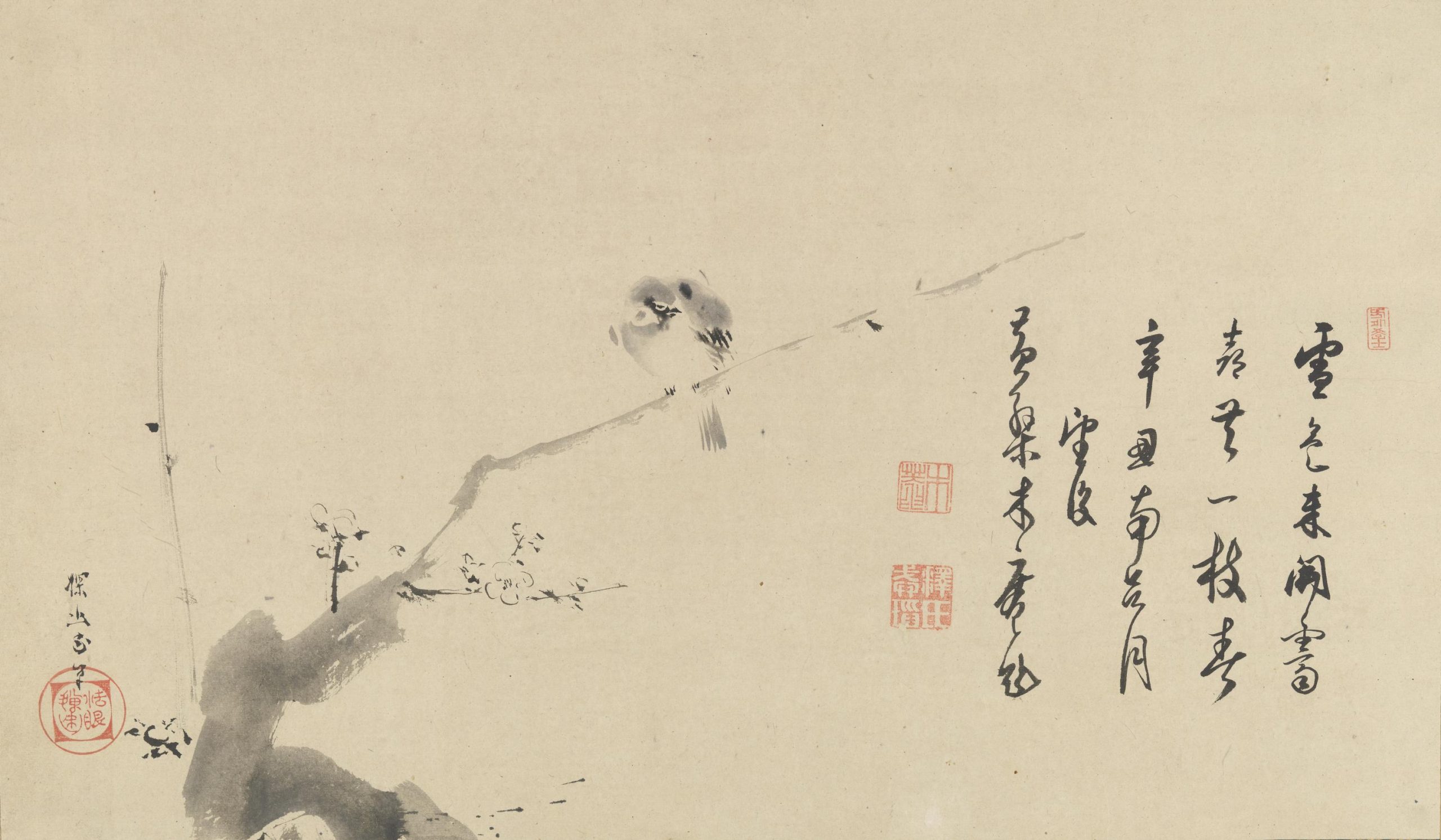
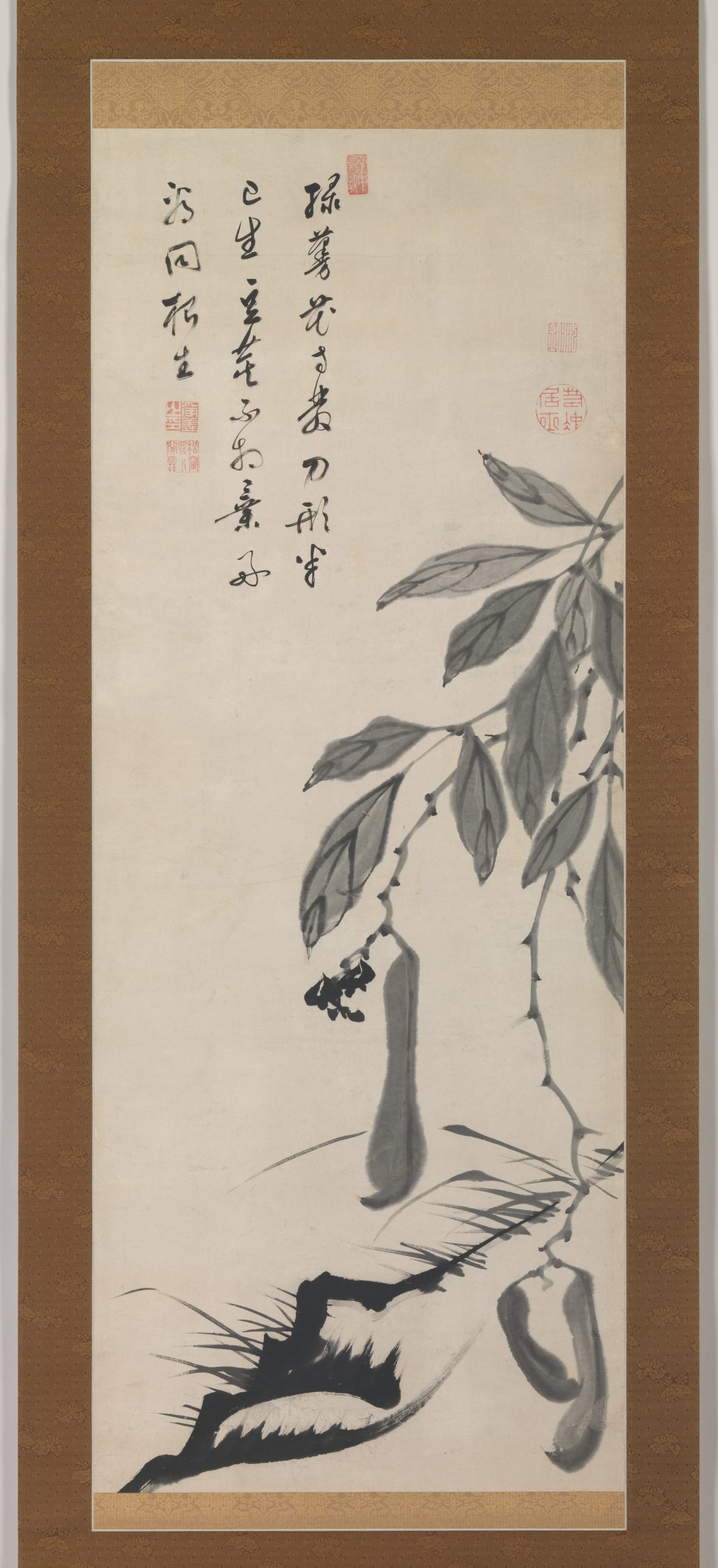
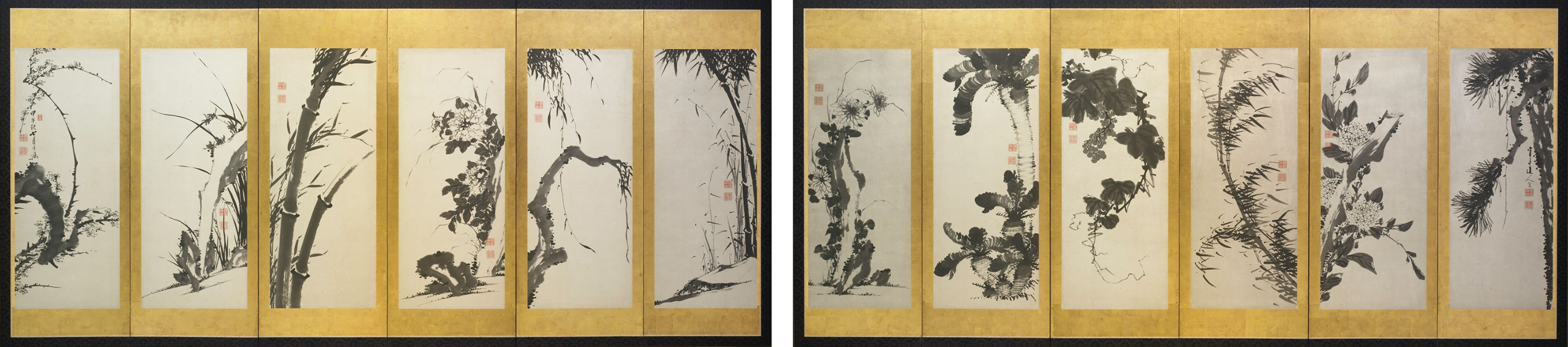
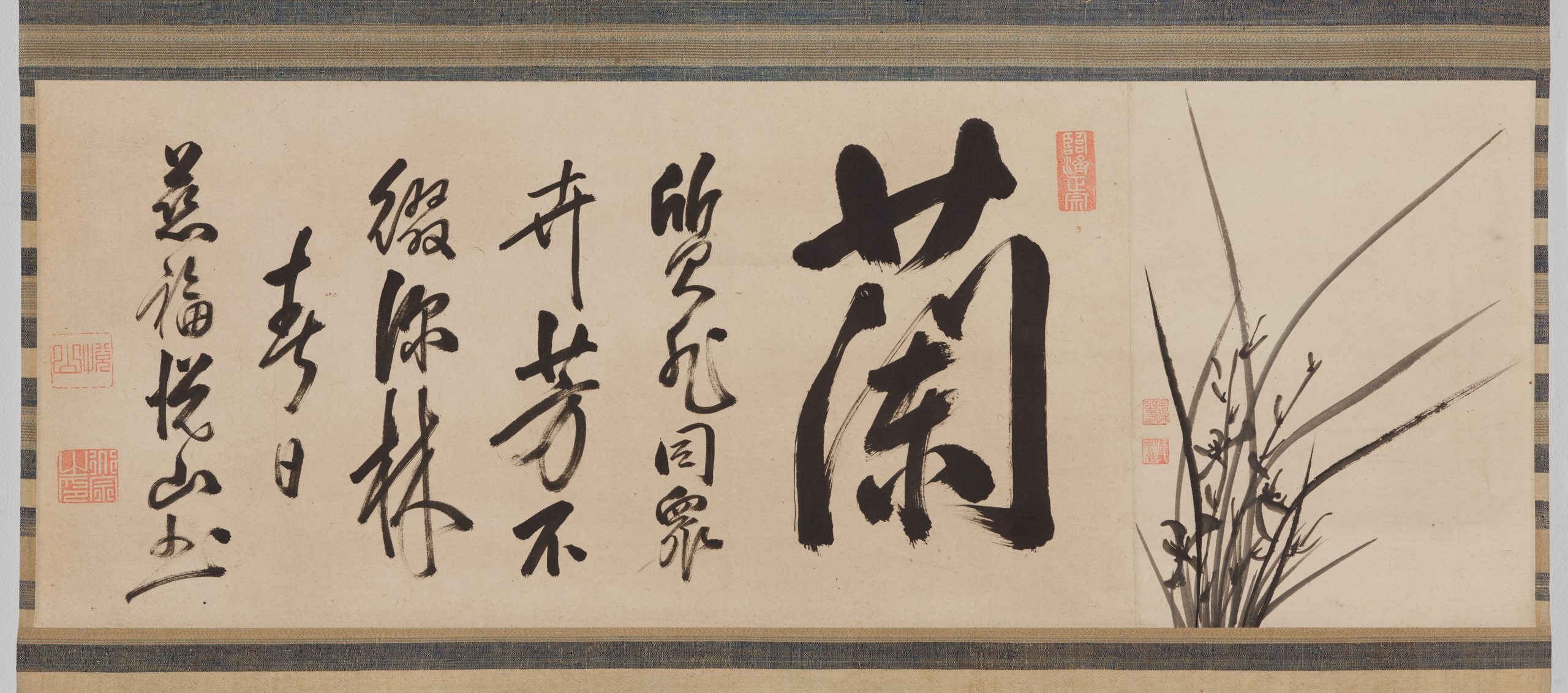
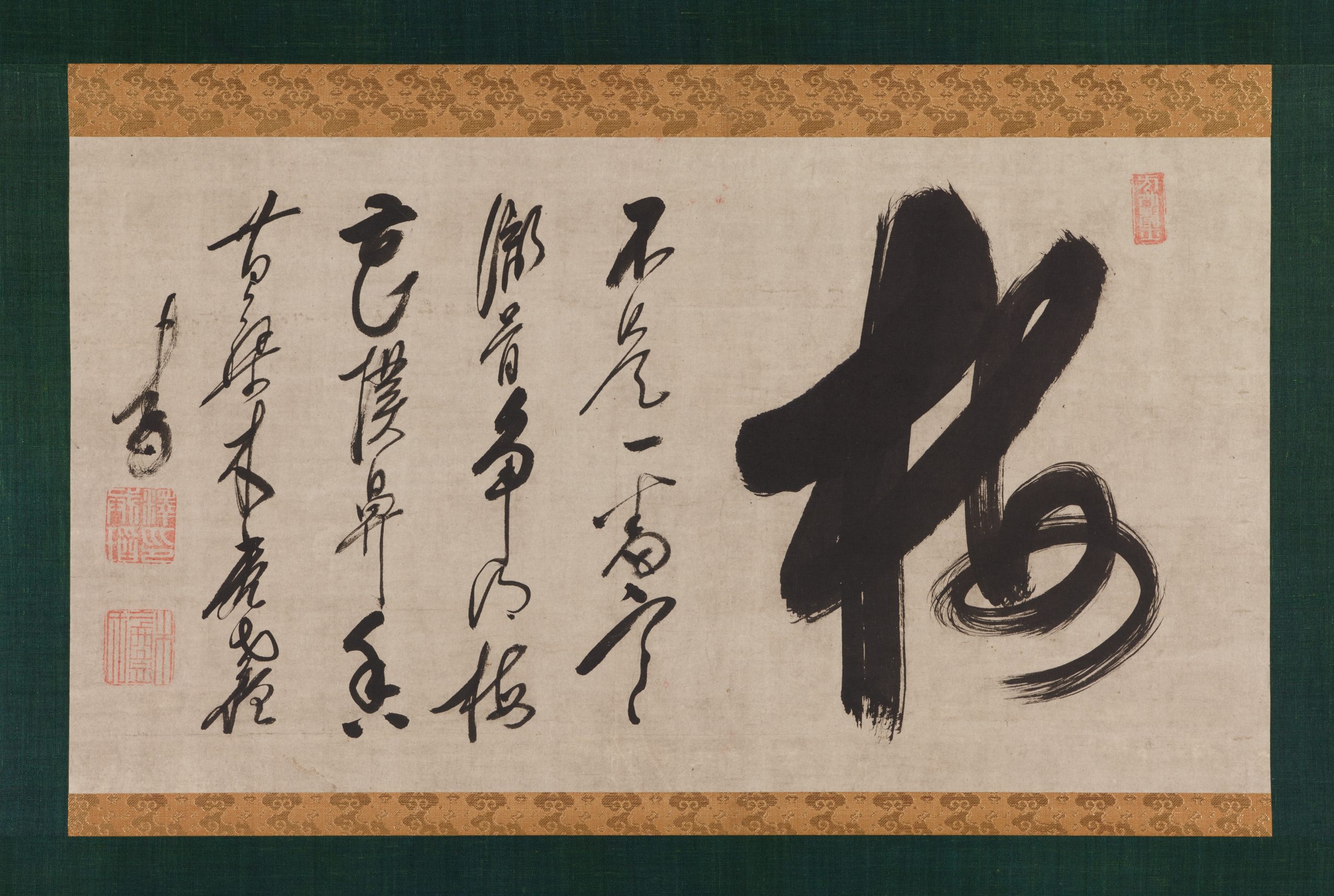
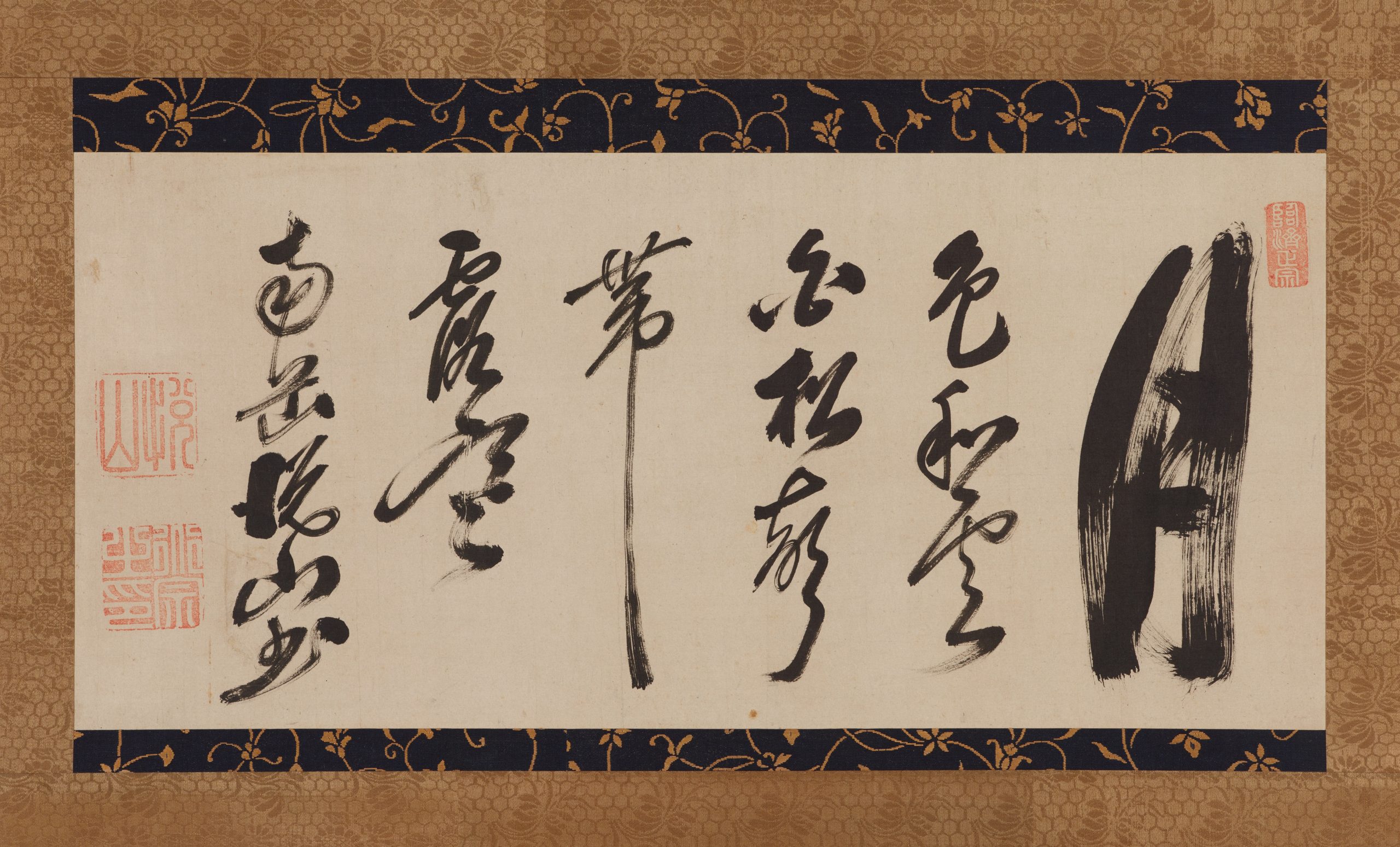
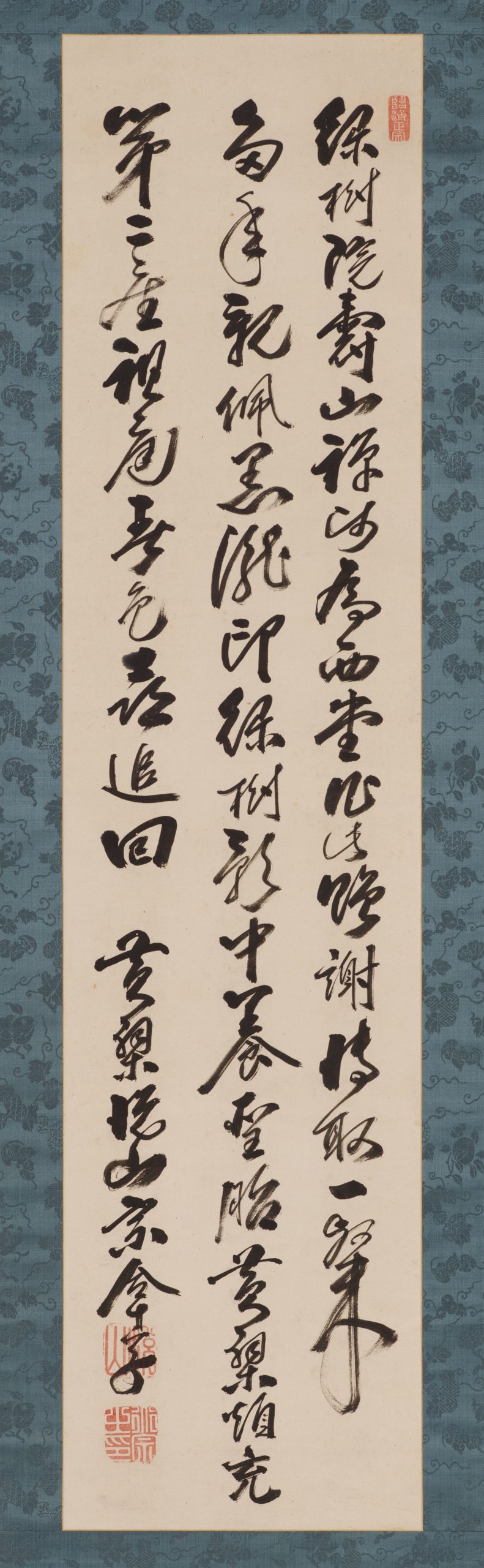
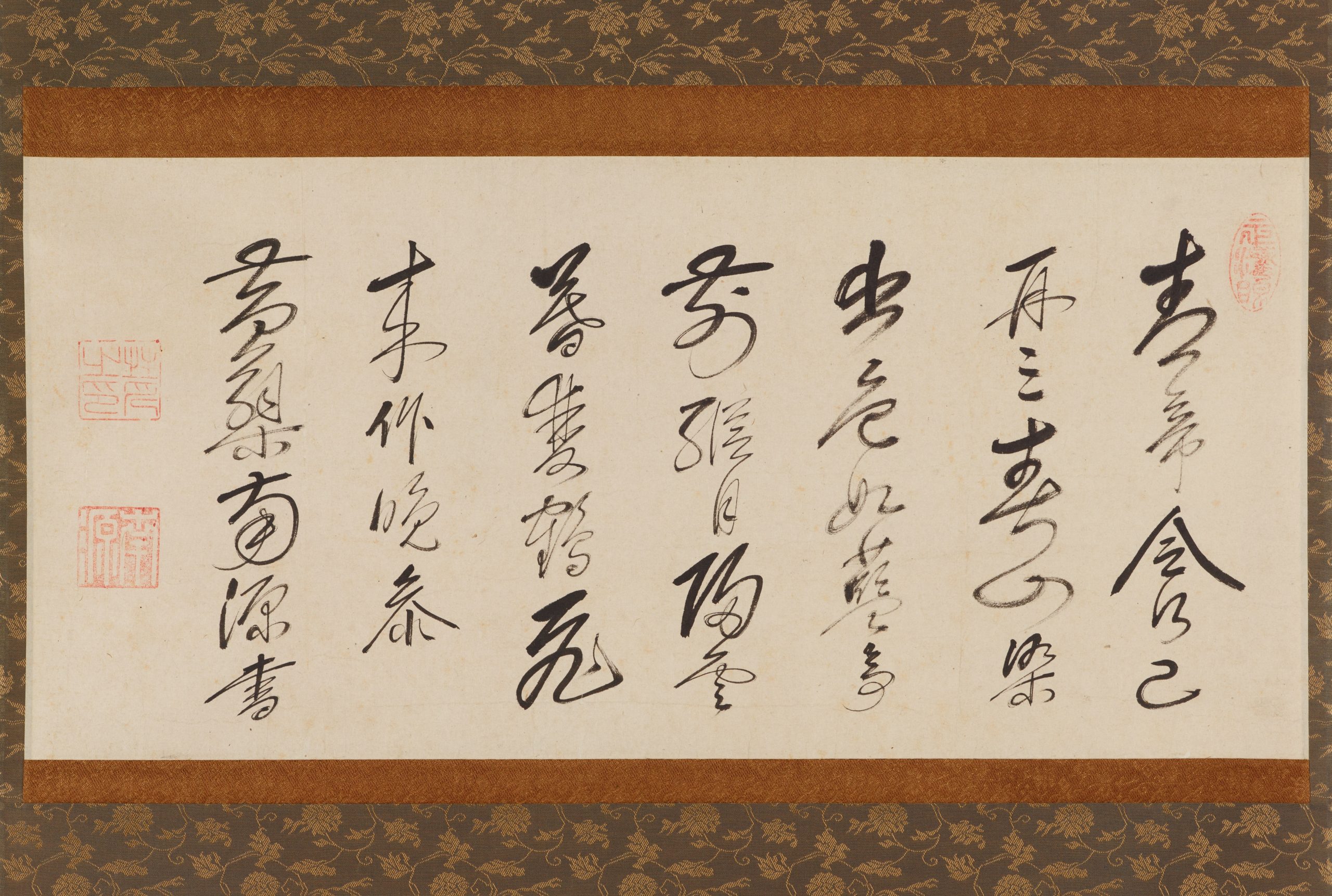
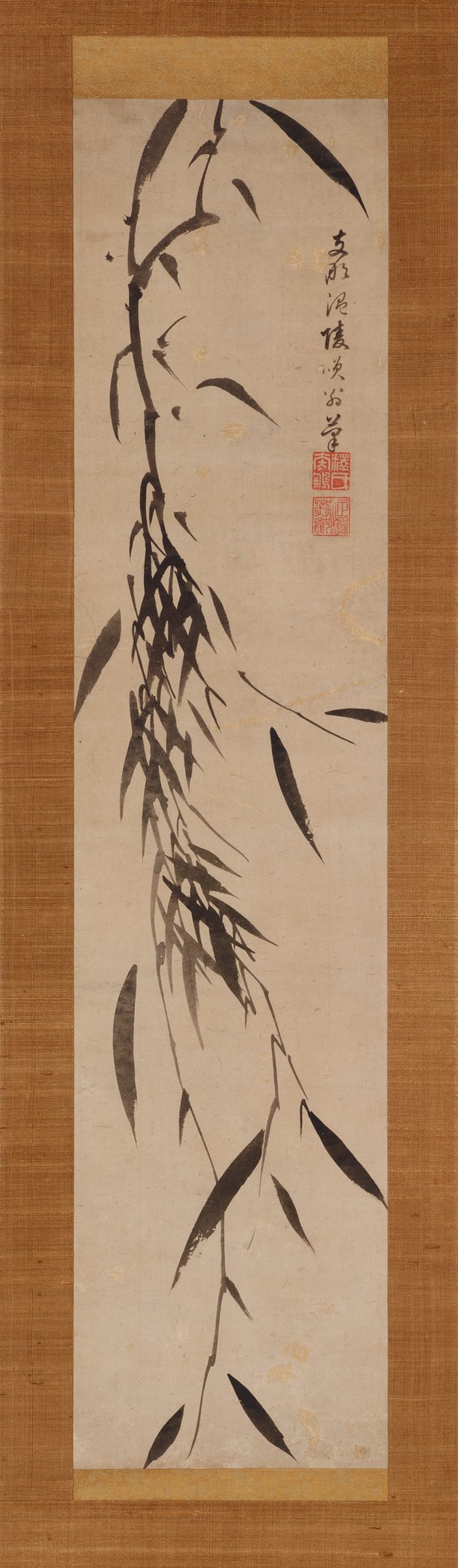
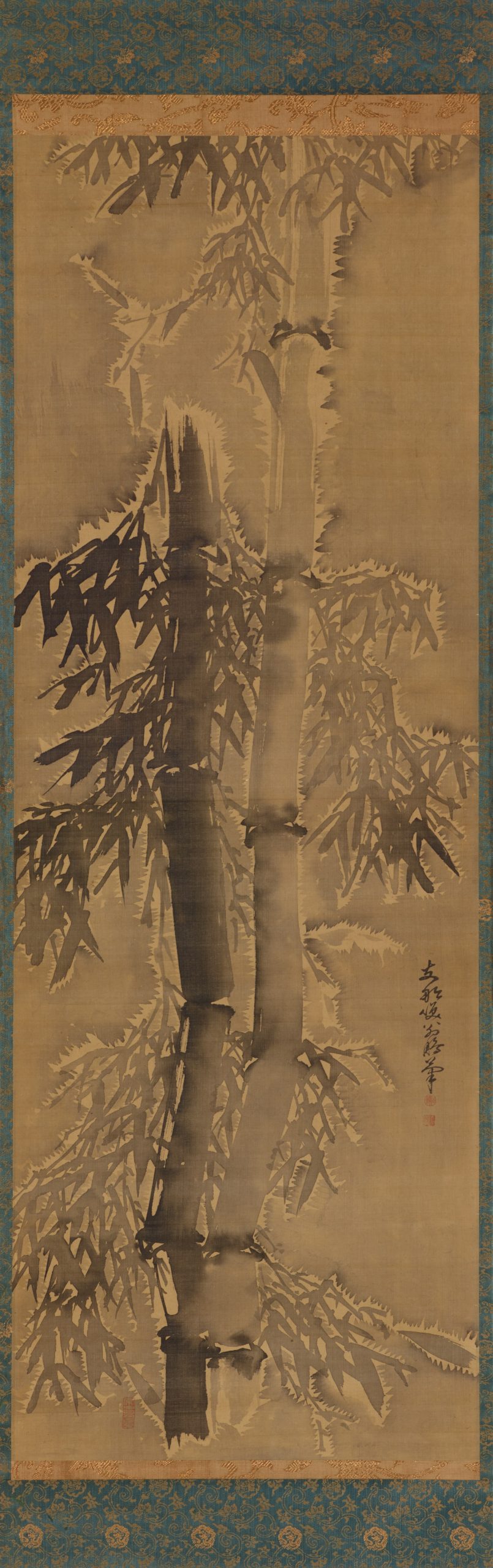
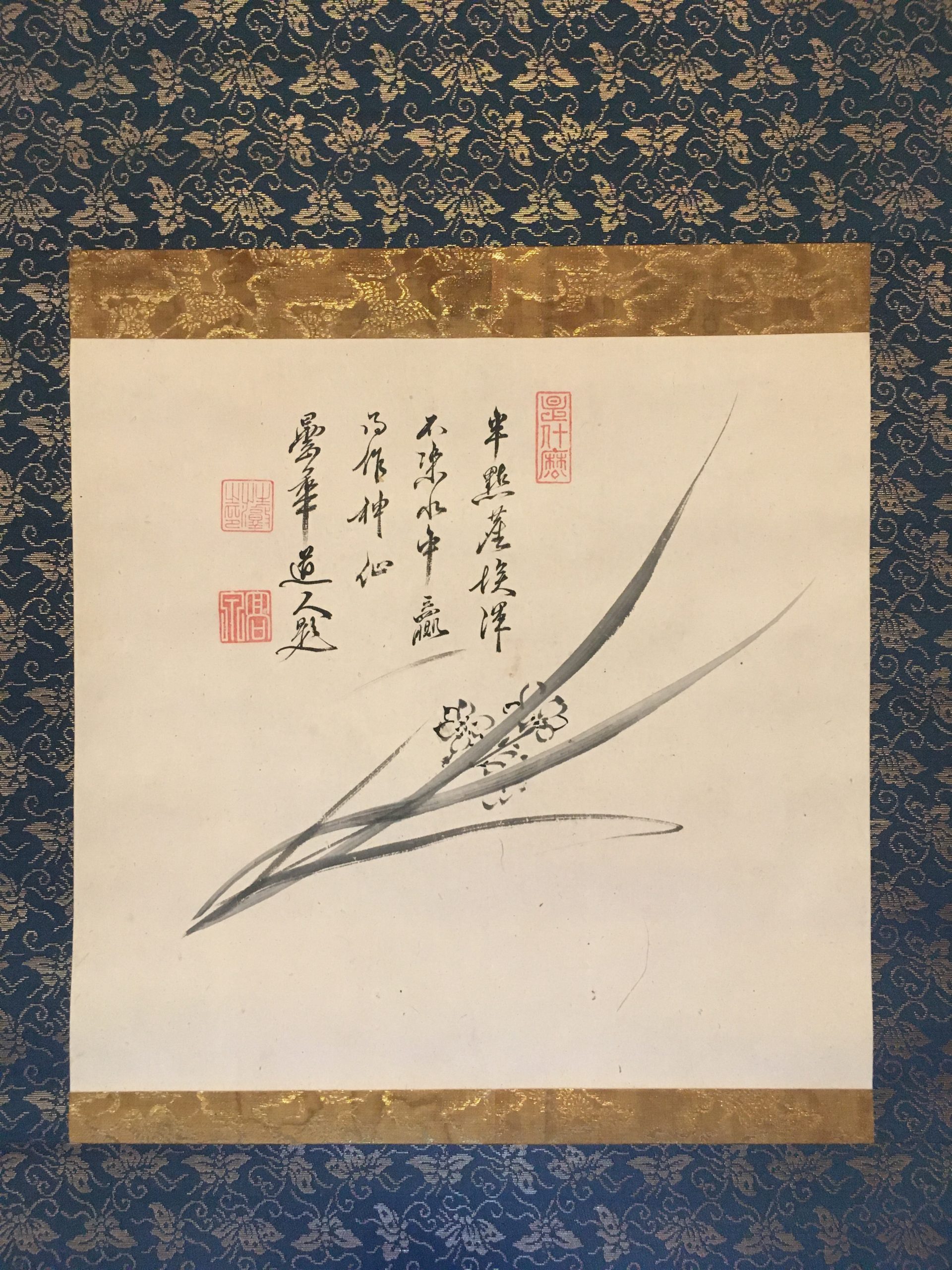
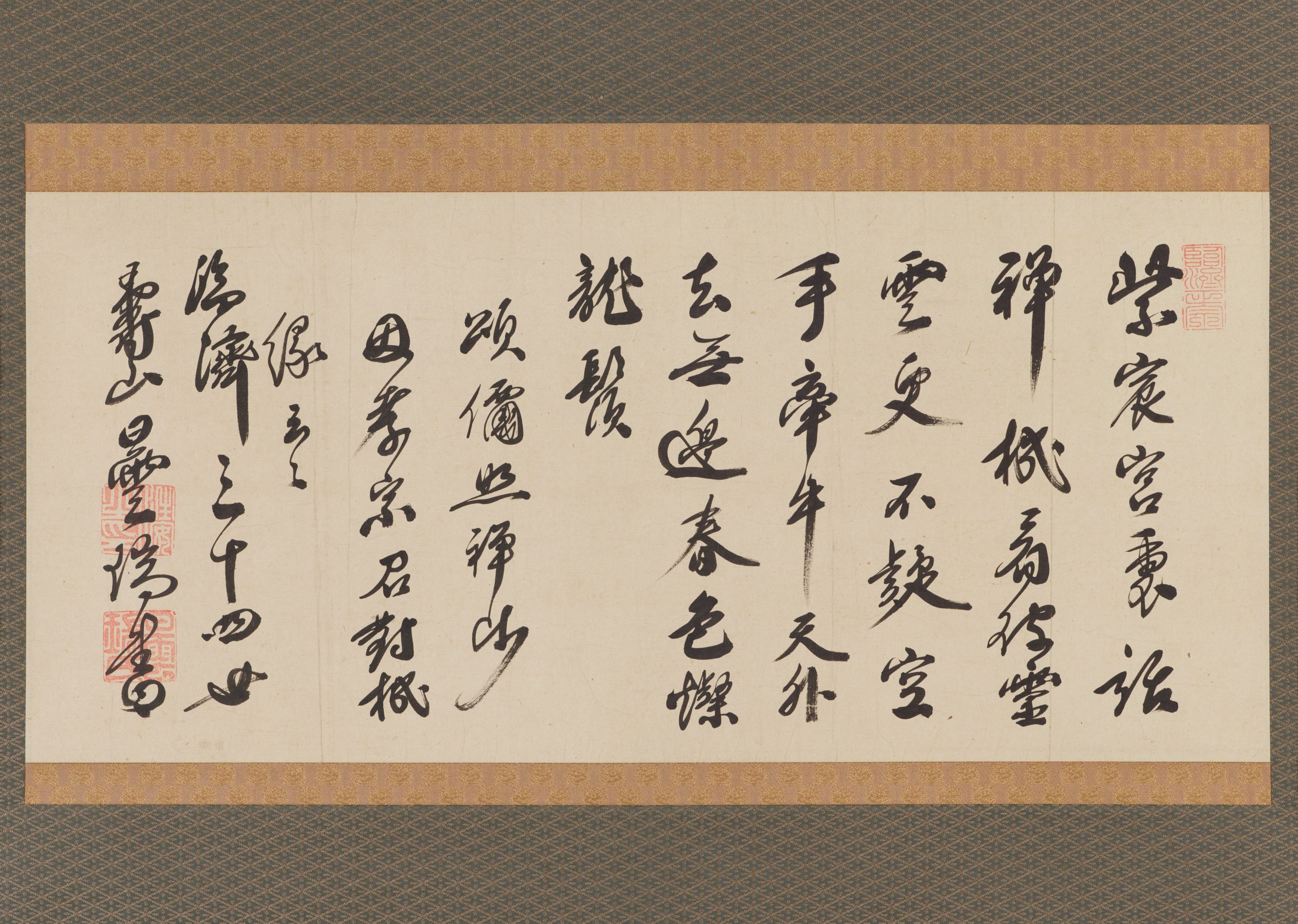
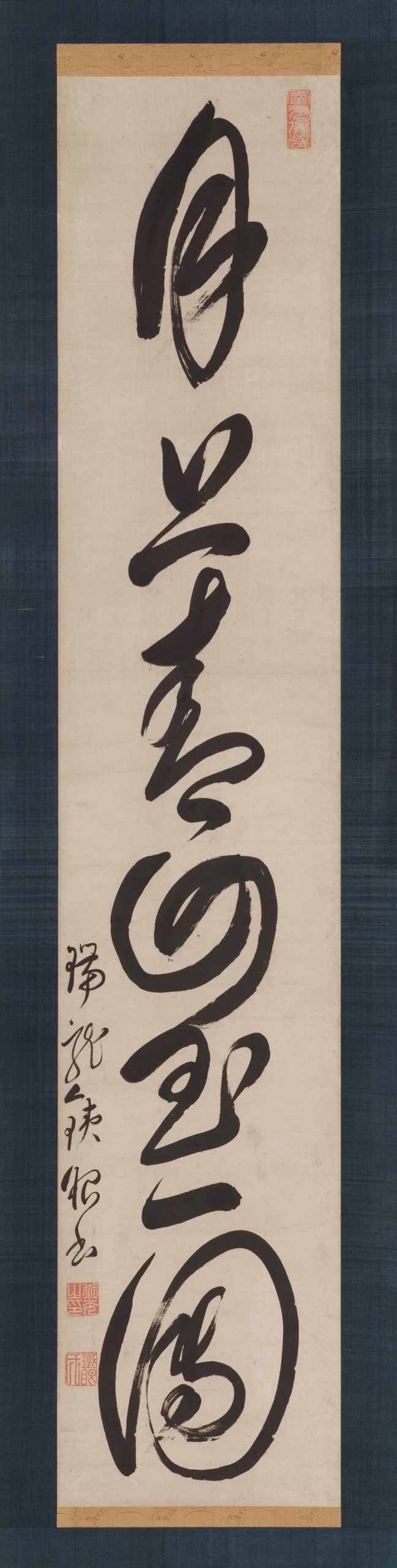
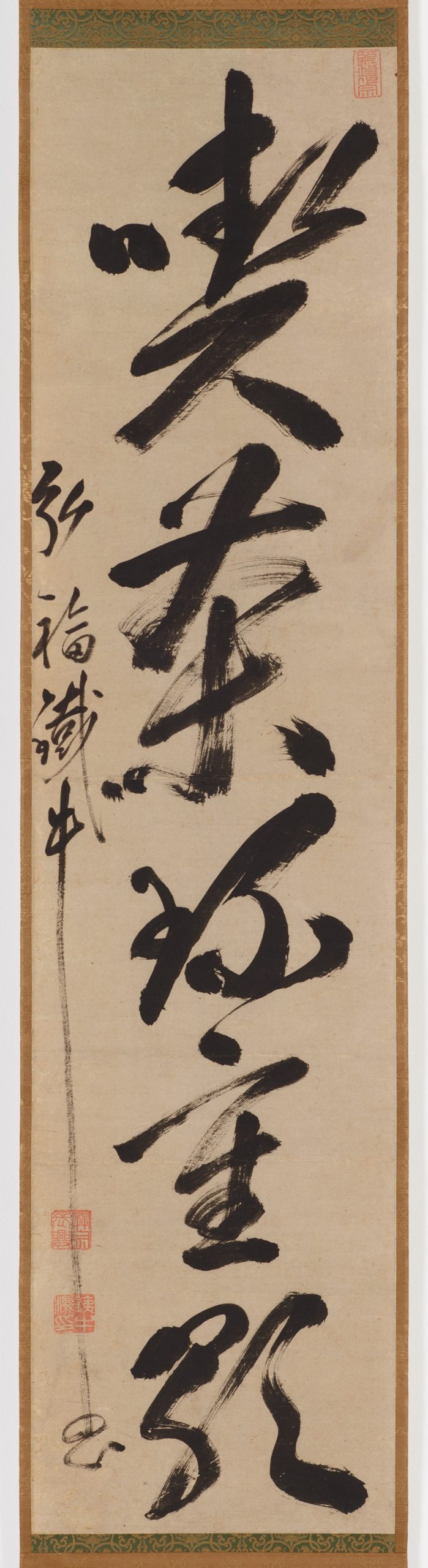
In addition to their distinctive Buddhist practice, Ōbaku monks in Japan were admired for their depth of knowledge of the central Chinese intellectual tradition of the educated elite. As Chinese men of letters (literati), they gathered informally to participate in elegant leisure activities such as composing poetry and brushing paintings. The monks’ erudition was much admired in Edo period Japan where the government promoted the moral values of Chinese Confucianism among the populace. These monks and their followers synthesized aspects of Buddhist, Daoist and Confucian philosophies and expressed their individualistic spirits in poems and Buddhist phrases rendered in elegant calligraphy. They brushed informal ink paintings, most often of flowers and plants—pine, bamboo, chrysanthemum, orchid, and plum—symbolic of the purity and stalwart nature of the literati spirit. They also inscribed works by Japanese artists from a wide variety of artistic traditions with original or classic Chinese literati poems. Group participation in the literati arts was often accompanied by the drinking of sencha (steeped green leaf tea). Through the efforts of the Ōbaku monk, Chinese verse poet, and calligrapher Baisaō (popularly known as the Old Tea Seller), sencha grew to become a full-fledged tea ceremony to rival that of the more familiar chanoyu tradition, which featured bowls of whisked powdered tea.